Trend Forum Summer 2026
Curated from the online keynotes delivered by Trendsite’s regional experts and trend editors during the Seasonal Trend Forum on 5 July 2026.
Central Asia
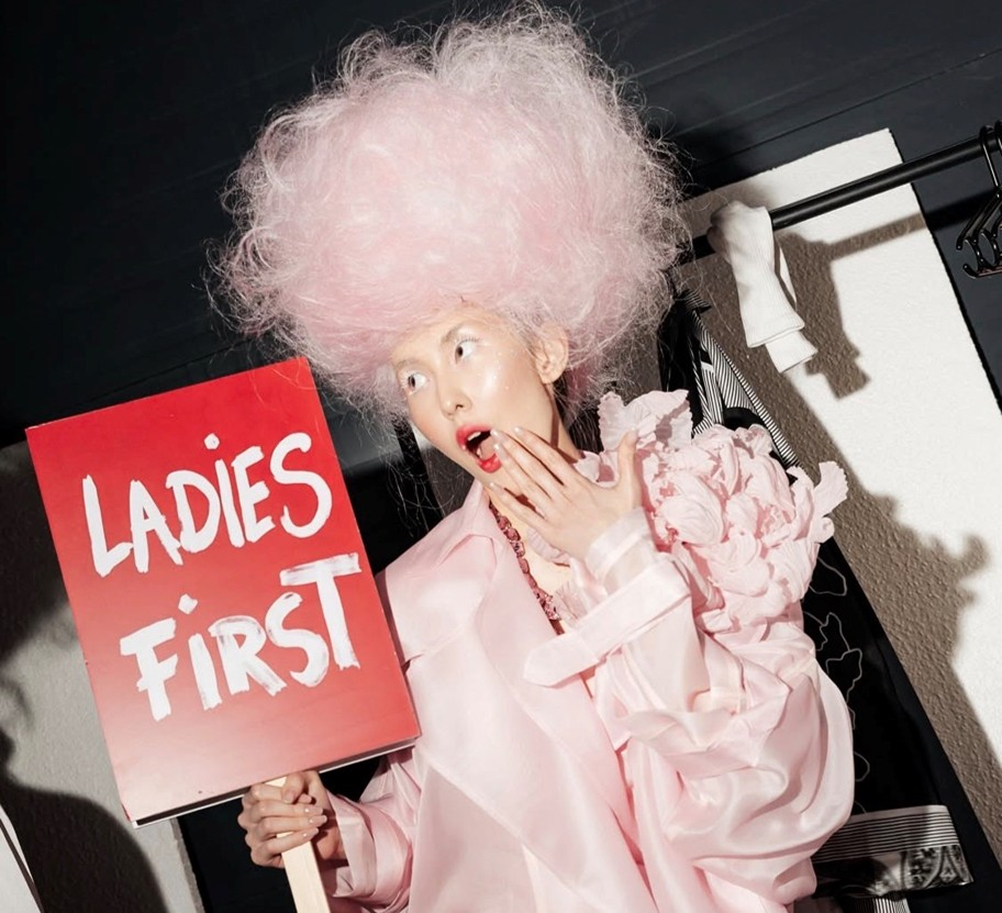
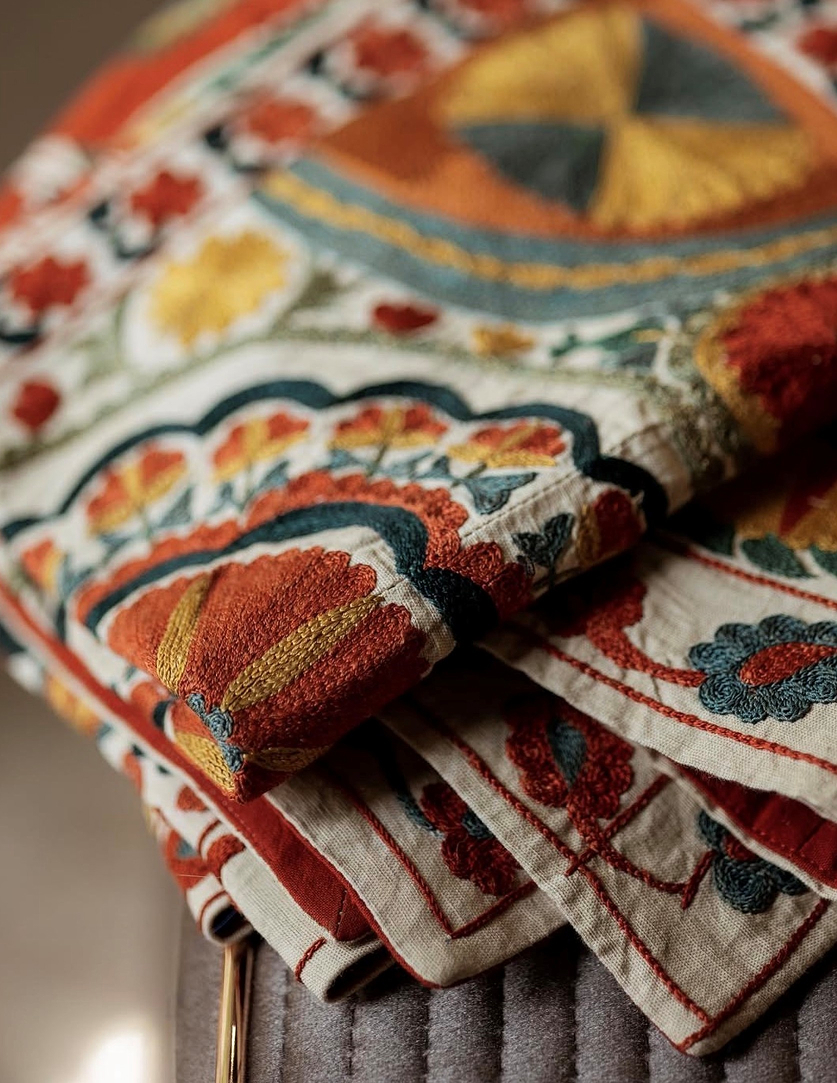
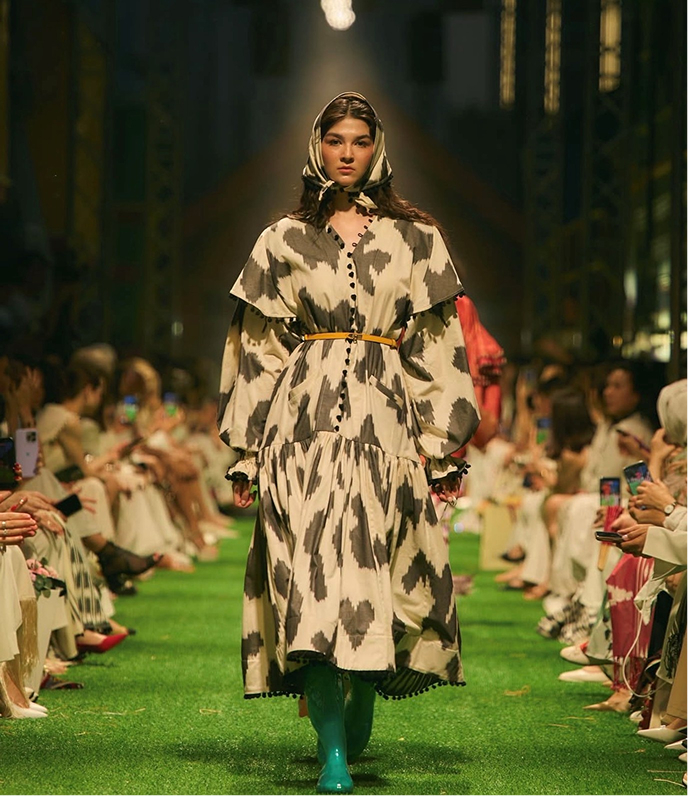
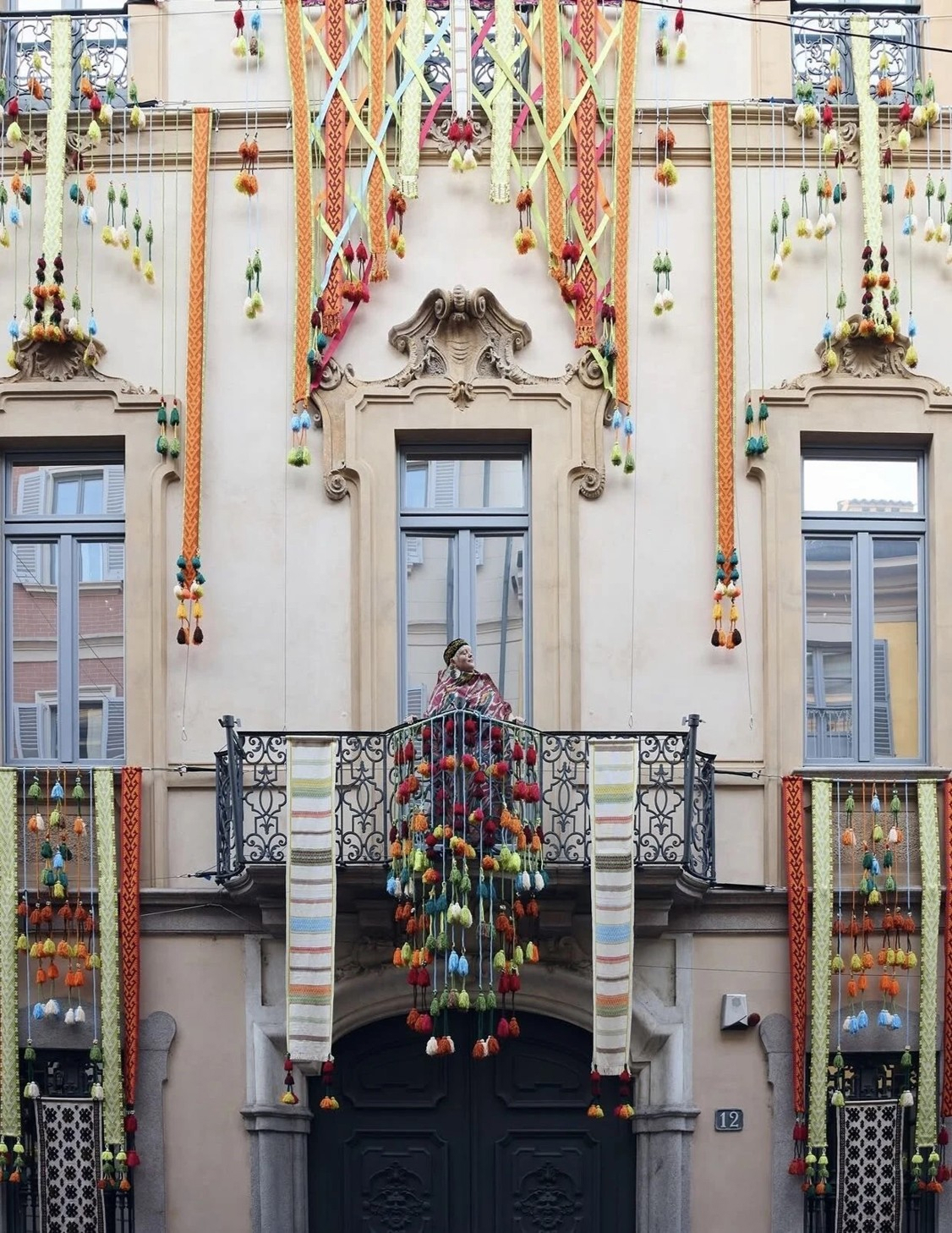

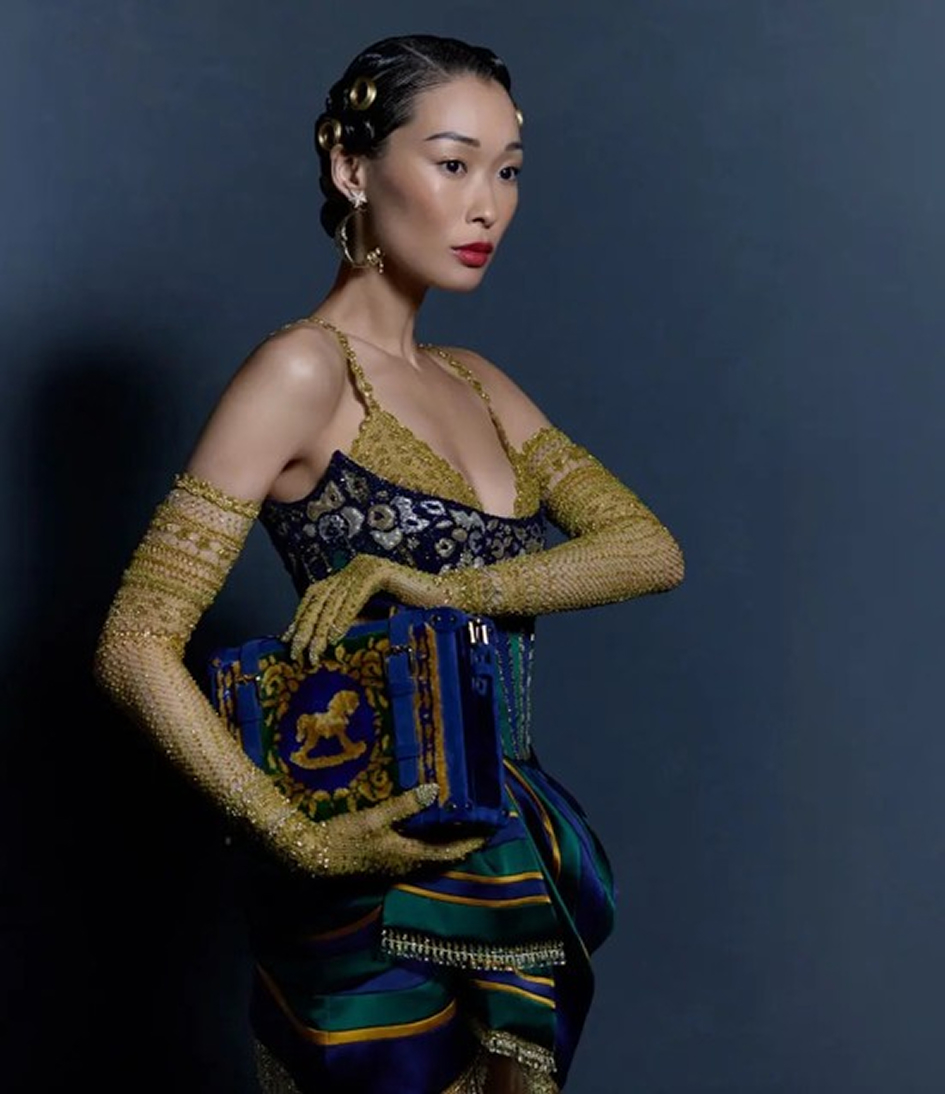
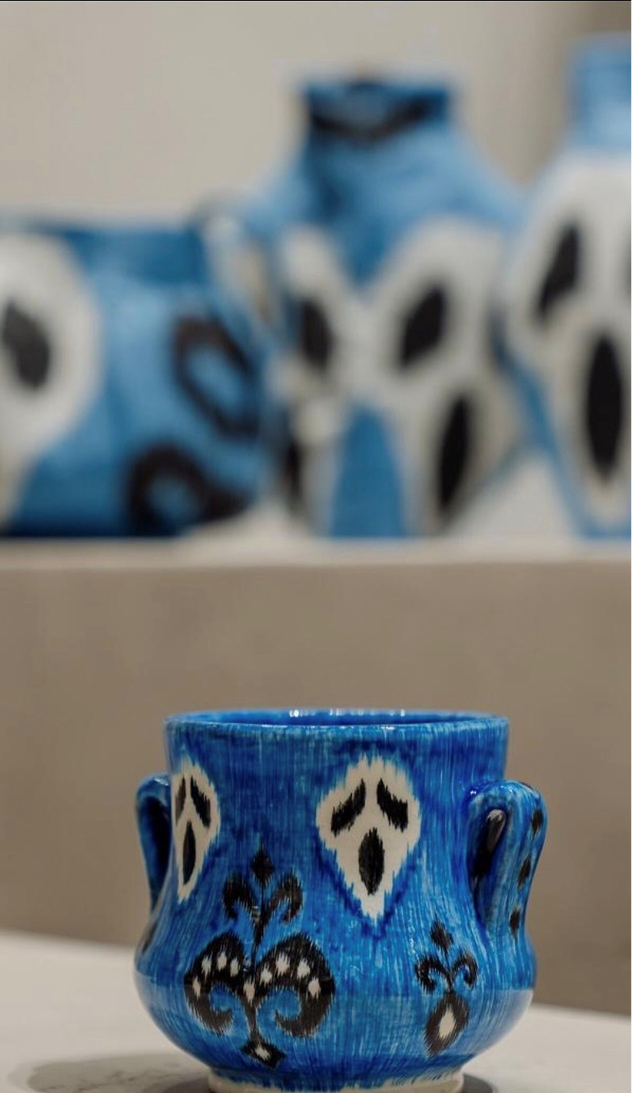
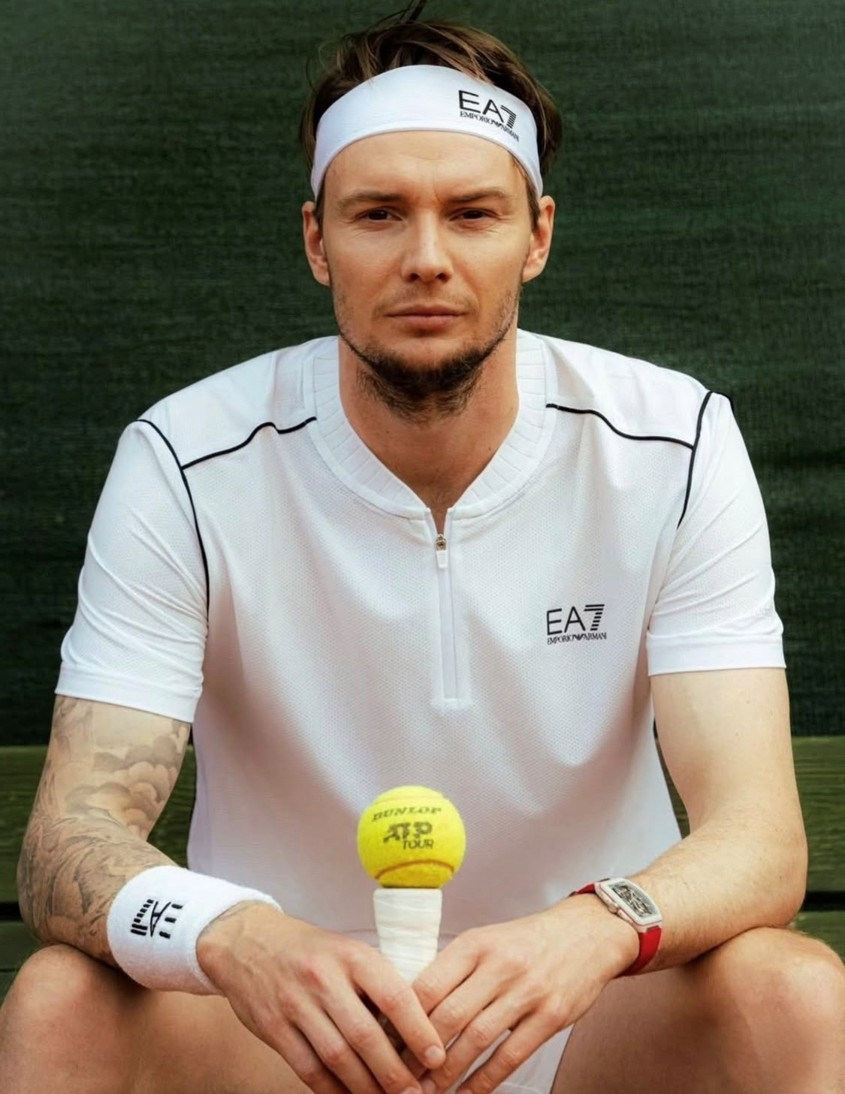
Central Asia is developing a more confident fashion ecosystem, bringing traditional craft into contemporary design, denim and couture.
The Azukar Moreno Phenomenon
Komola Rustamova presented "Moo," transforming nostalgic memories into a subversive bovine motif woven via traditional Margilan hand-loomed ikat (44 distinct artisanal stages, 3-meter manual warp tensioning, century-old drum pressing). Staged at Tashkent’s historic Railway Museum, the collection closed New York Fashion Week and sold out immediately.
Regional Cultural Milestones
The opening of Central Asia’s first living Suzani Museum (Suzani by Madina Kasimbaeva) using natural turmeric silk dyes; Saadi Couture's philanthropic gala; the Glamour Avenue showcase staged at Prince Romanov’s royal palace.
Fashion Weeks in Almaty, Shymkent & Dushanbe
Tashkent Visa Fashion Week spotlighted conceptual 2000s revival and Noo Sugar's sculptural silhouettes. Almaty Visa Fashion Week united indigenous heritage with global dialogue: Maison Artc, Manuk Aleksanyan, and YES winning the Next Designer Award. Shymkent hosted Igor Sarapulov’s Siberian Buryat collections, while Kyrgyzstan’s Keshte celebrated fluid femininity. Tajikistan Fashion Week honored the sartorial legacy of the "Gulshan" national ensemble.
Global Faces & Institutional Power
Ali Daniyarov fronted Prada, Walk of Shame, and Dries Van Noten; Bibi Sharipova starred in Ulyana Sergeenko's anniversary campaign; tennis star Alexander Bublik represented Emporio Armani. The Center for Contemporary Art in Tashkent was featured in Time's World's Greatest Places 2026, while Uzbekistan's pavilion "When the Apricot Blooms" was named best installation at Milan Fashion Week.
Central Asia is experiencing an unprecedented creative surge. National codes and ikat have broken free of folklore clichés: emerging designers fearlessly weave them into raw denim, digital futurism, and red-carpet couture.
Anastasia Akhmedova
I don’t follow trends — I create them. The fabric itself dictates the form, guided by the weather required to cure the threads and the master weaver’s disposition. Each garment is truly alive, and behind it stands enormous trust and handwork.
Komola Rustamova
United Kingdom & Europe

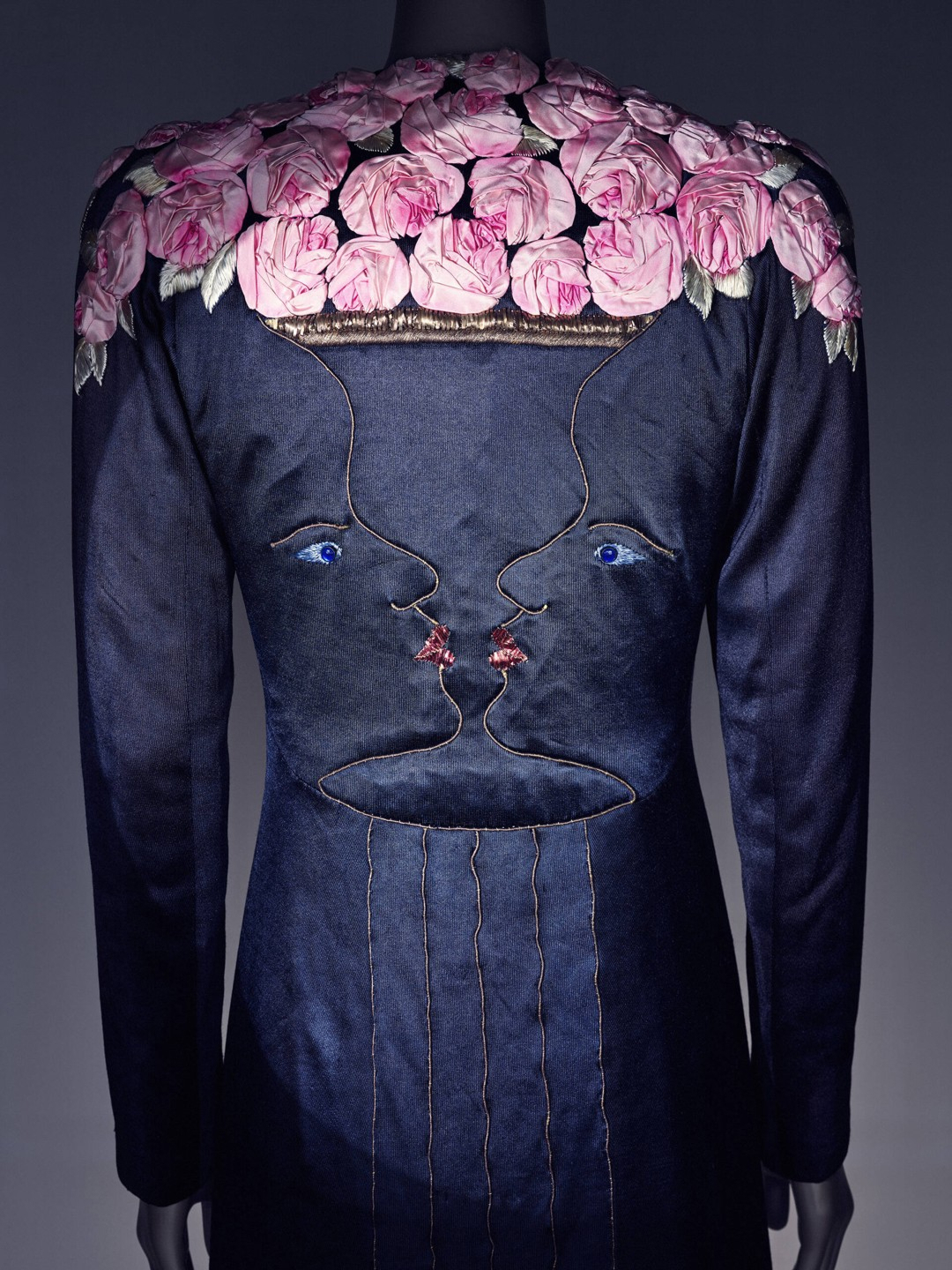
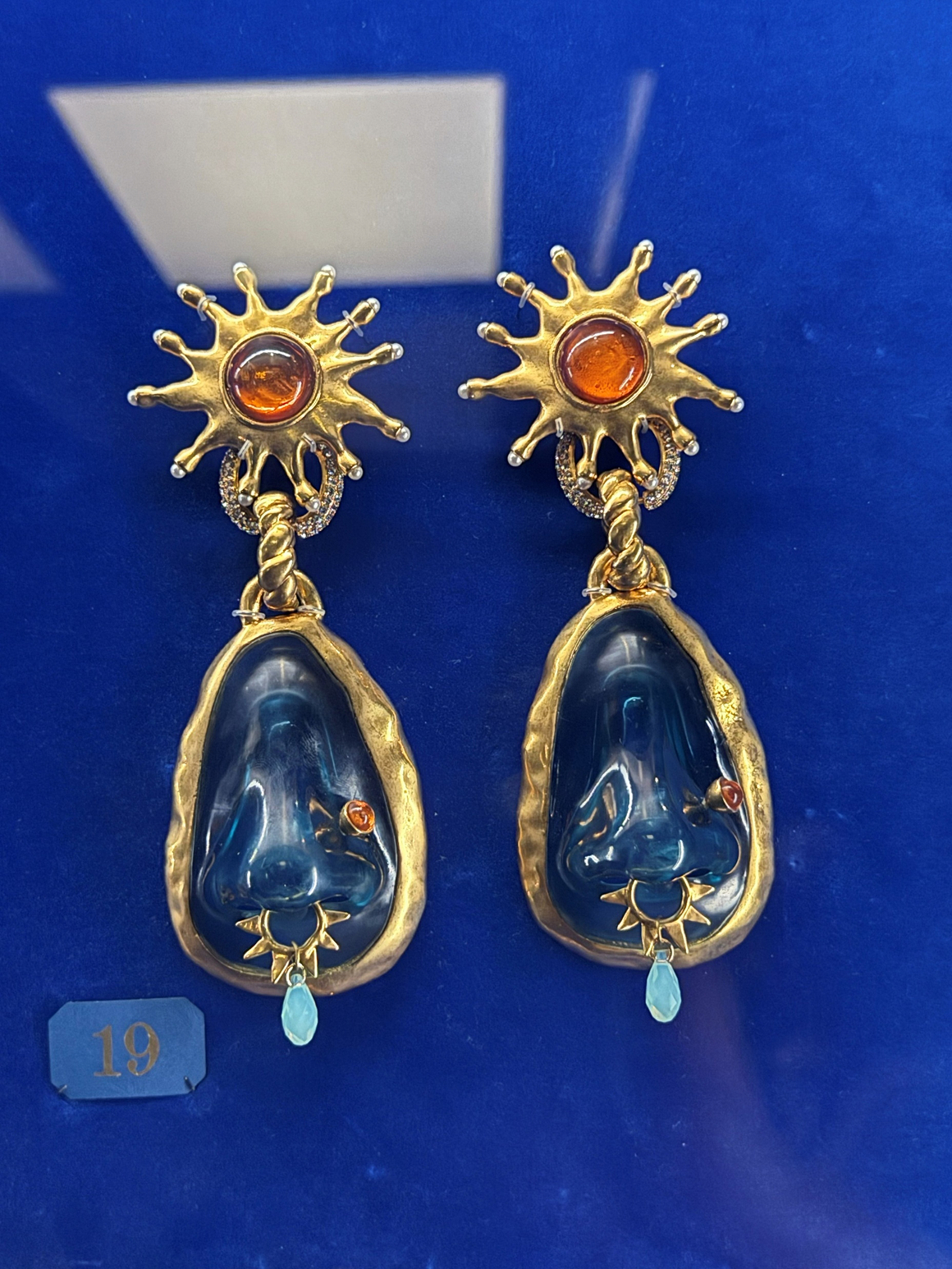
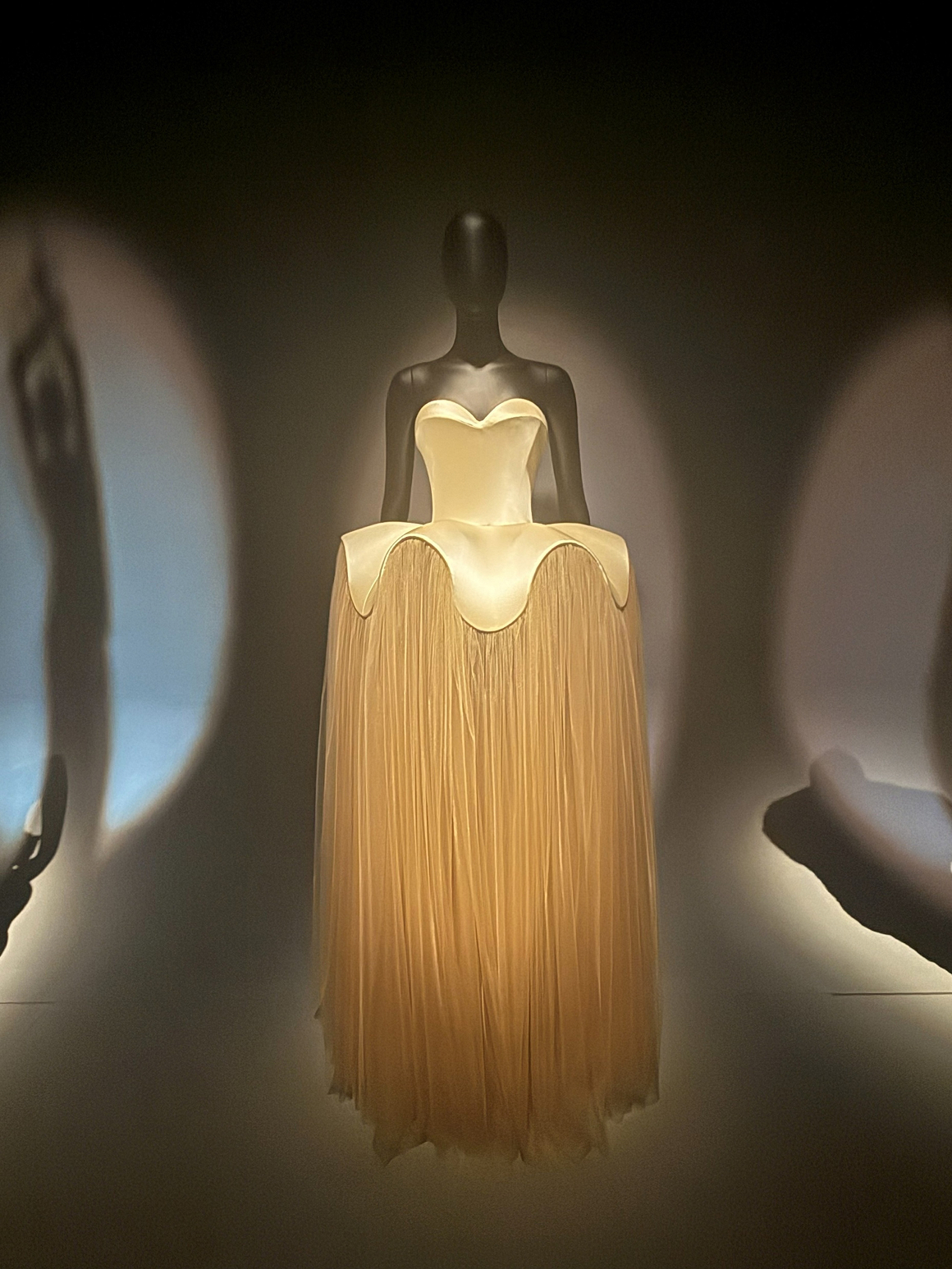

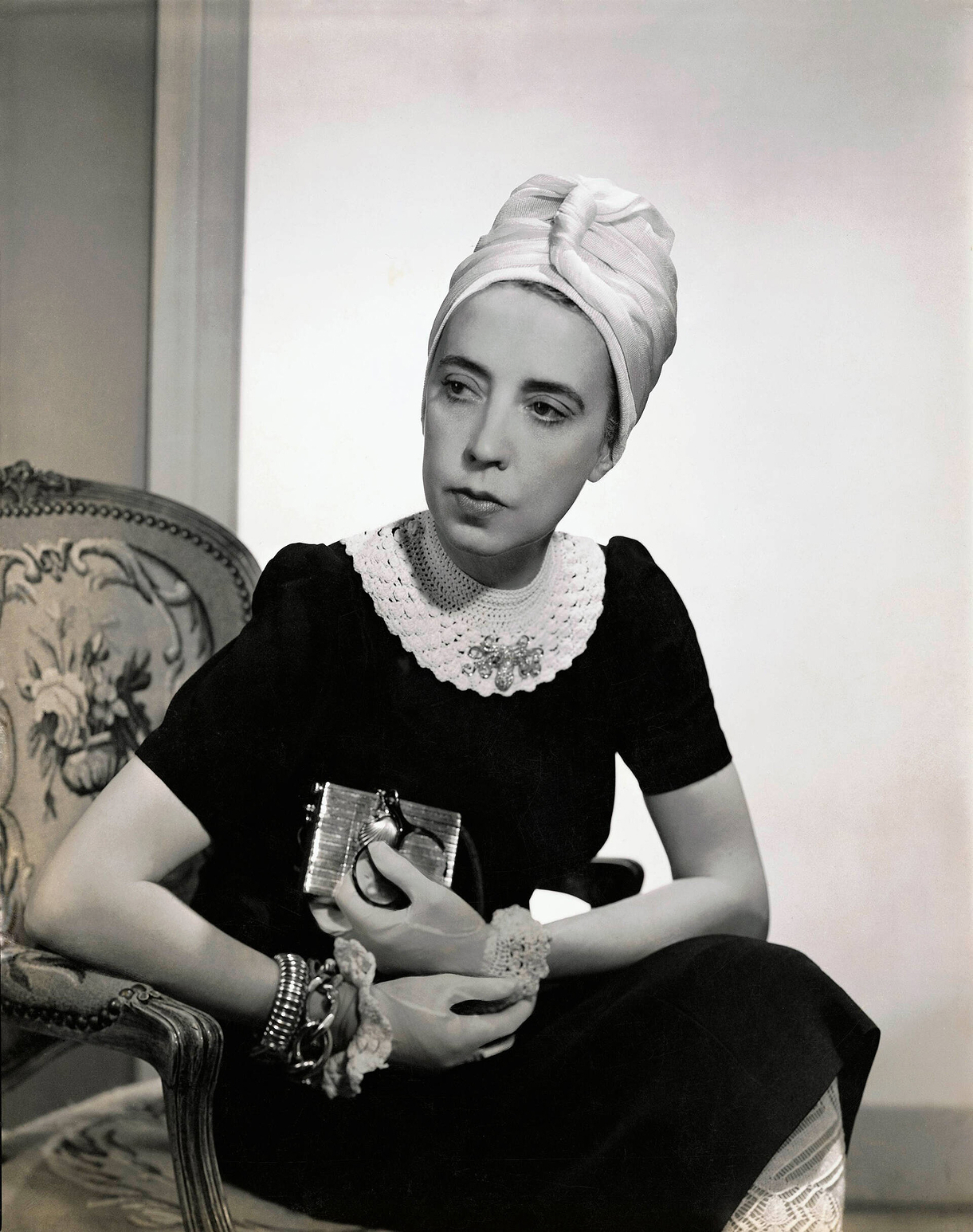
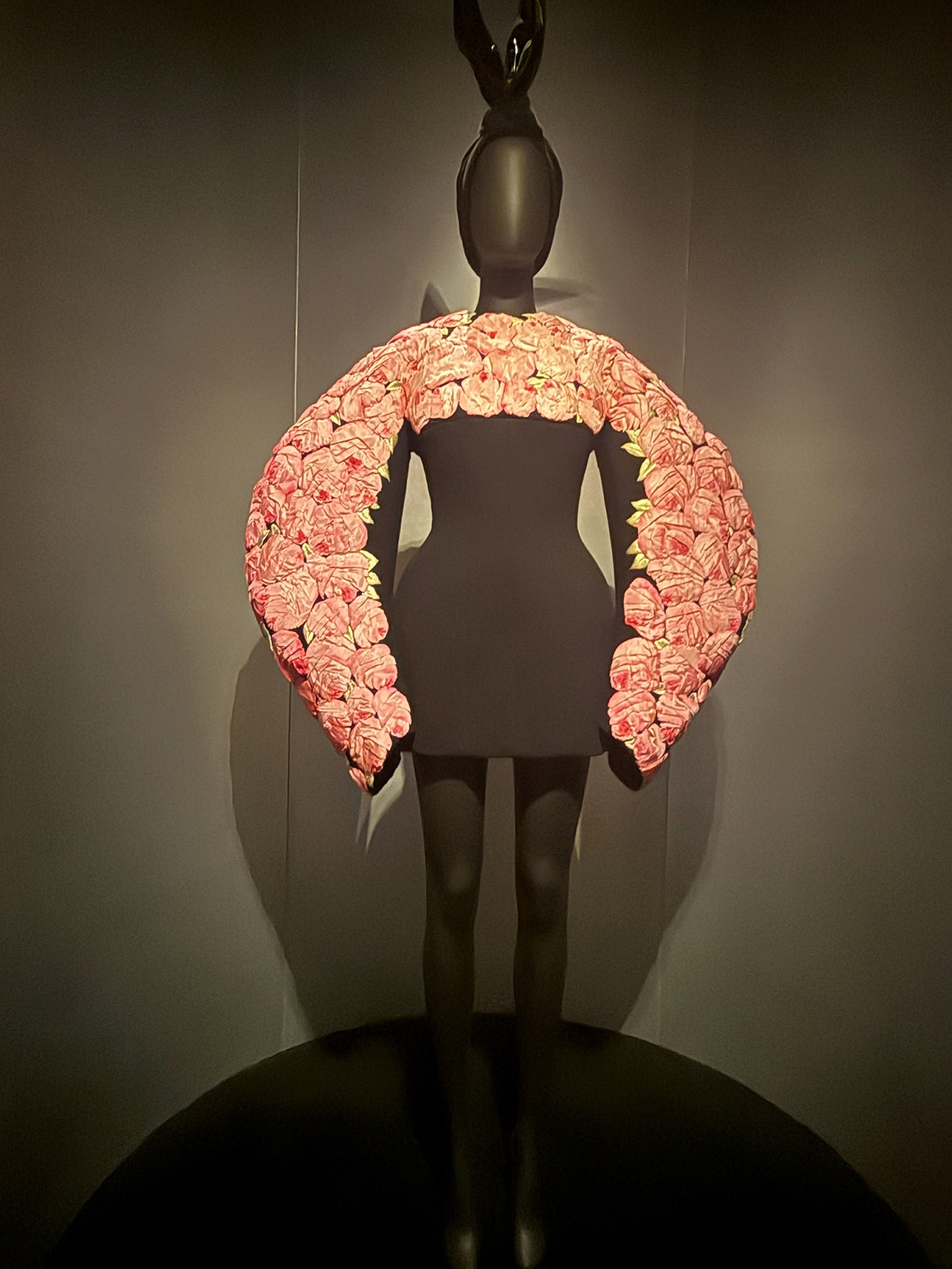
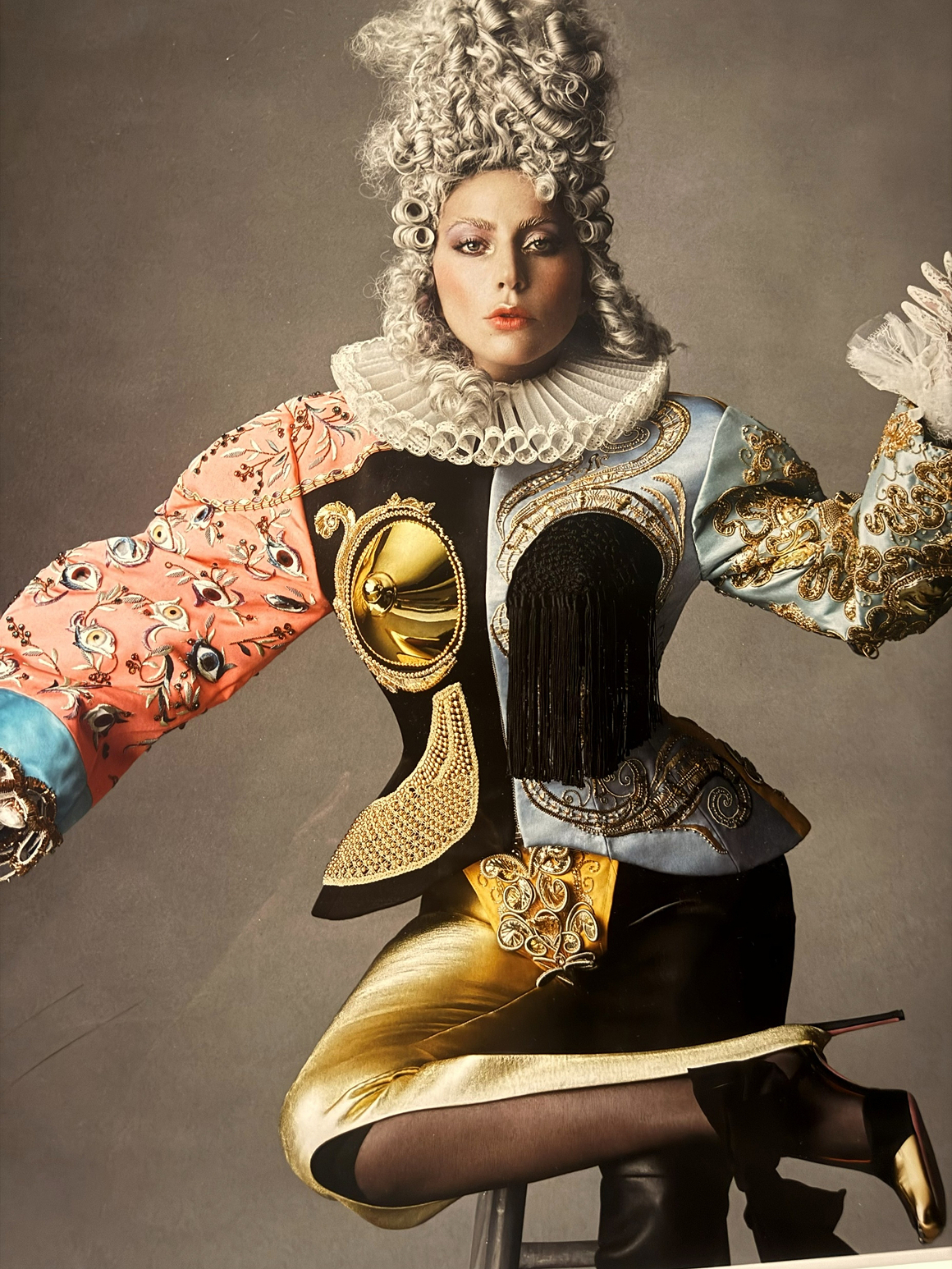
Western European fashion is responding to fatigue with austere “quiet luxury” through stronger emotional expression, narrative and art-led design.
Schiaparelli at the Victoria and Albert Museum (V&A, London)
The landmark exhibition examined Elsa Schiaparelli’s dialogue with Salvador Dalí and surrealism, drawing a direct continuum to Daniel Roseberry’s current haute couture. The house's red-carpet wearable sculpture validates the commercial vitality of dramatic theatricality in high luxury.
Summer Cultural Markers
Paris Haute Couture Week (July 6–9) and Glastonbury Festival—the globe's preeminent music summit—served as key barometers defining festival streetwear and directional summer codes.
The world has grown weary of restrained quiet luxury—the cultural moment demands high theatricality, raw emotion, and unapologetic surrealism. When a collection is underpinned by a profound artistic thesis or living heritage, artificial seasonal trends become irrelevant—the product becomes commercially irresistible on its own merits.
Iryna Kushniarevich
Middle East

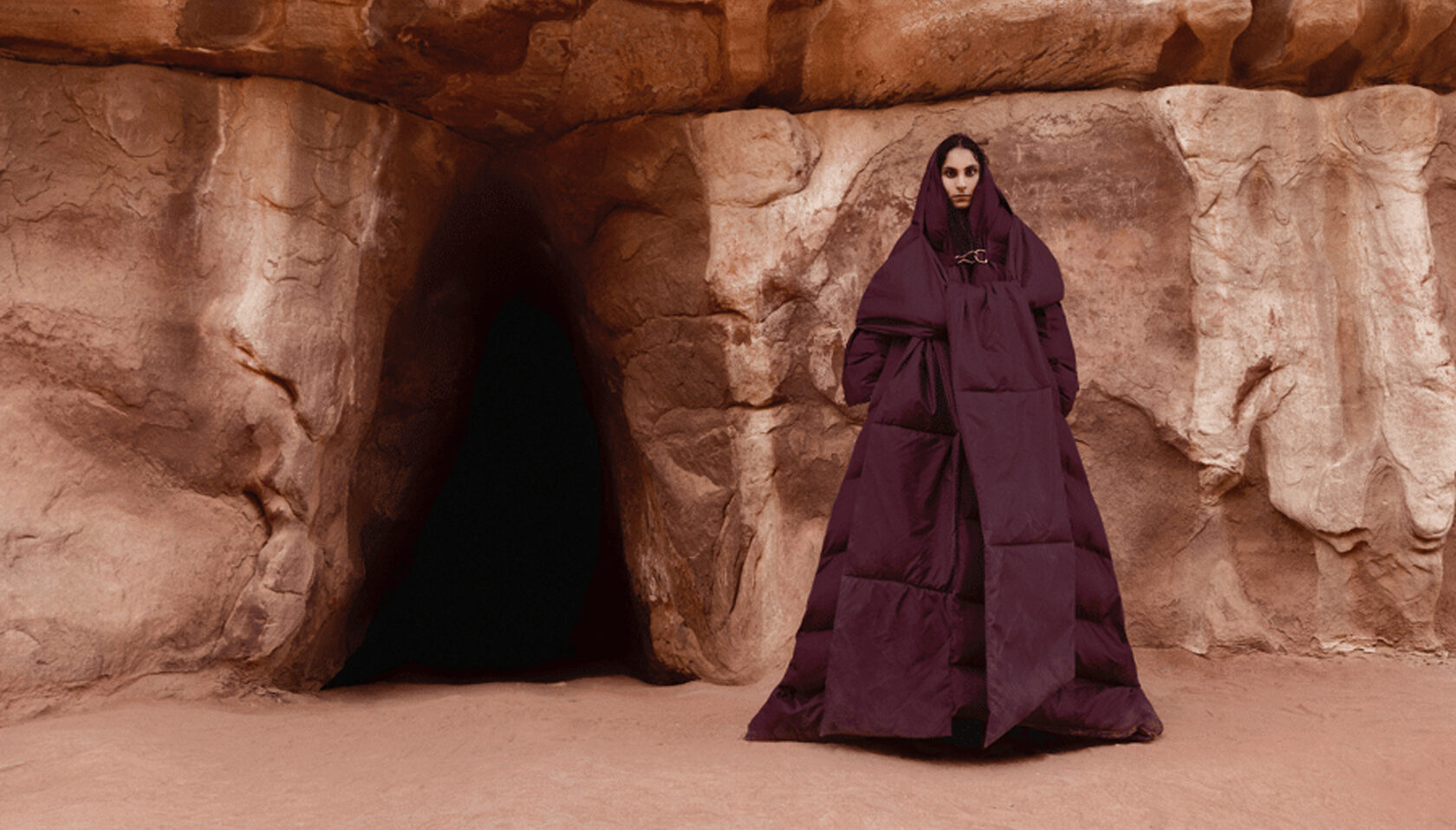
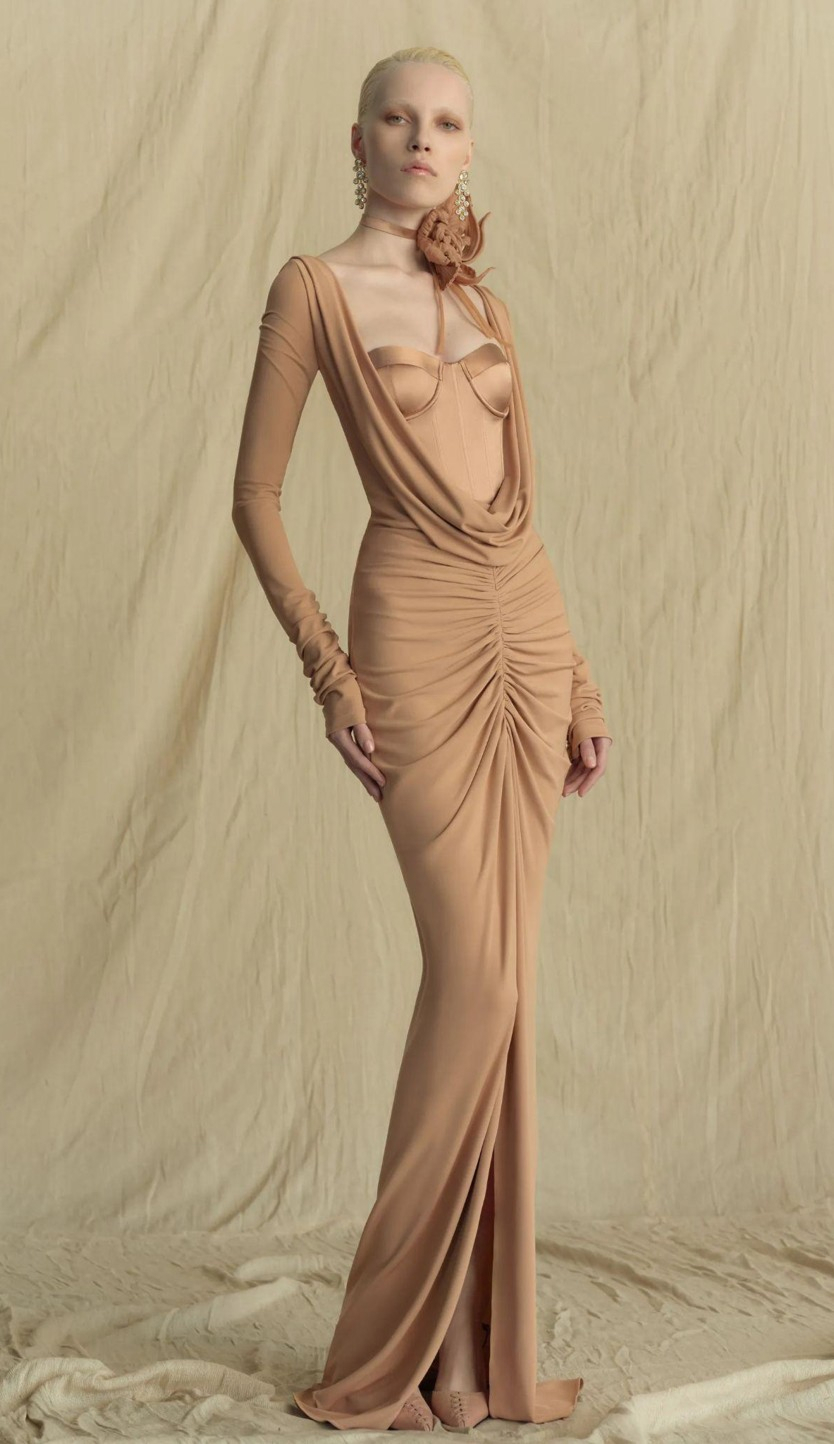
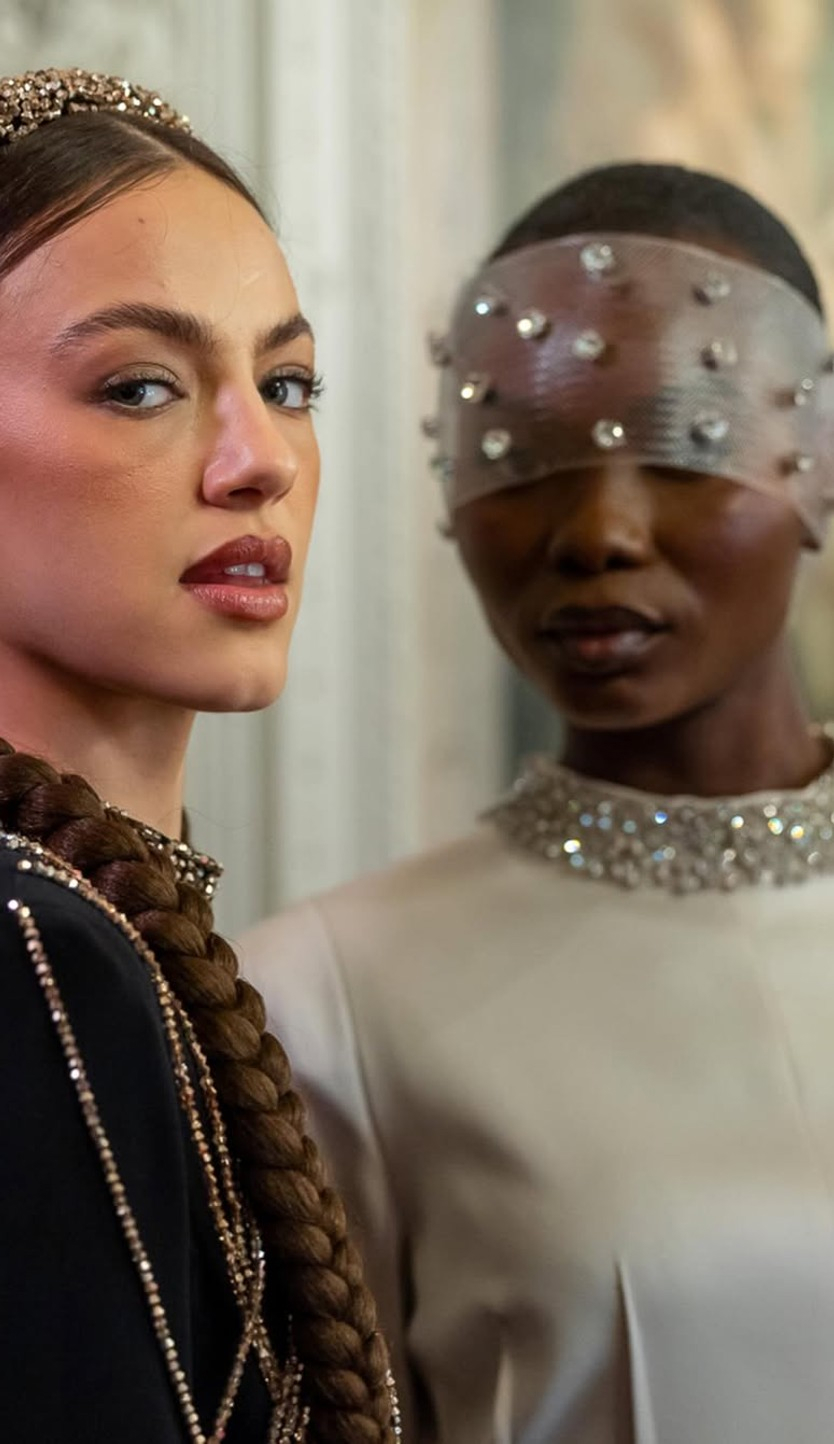
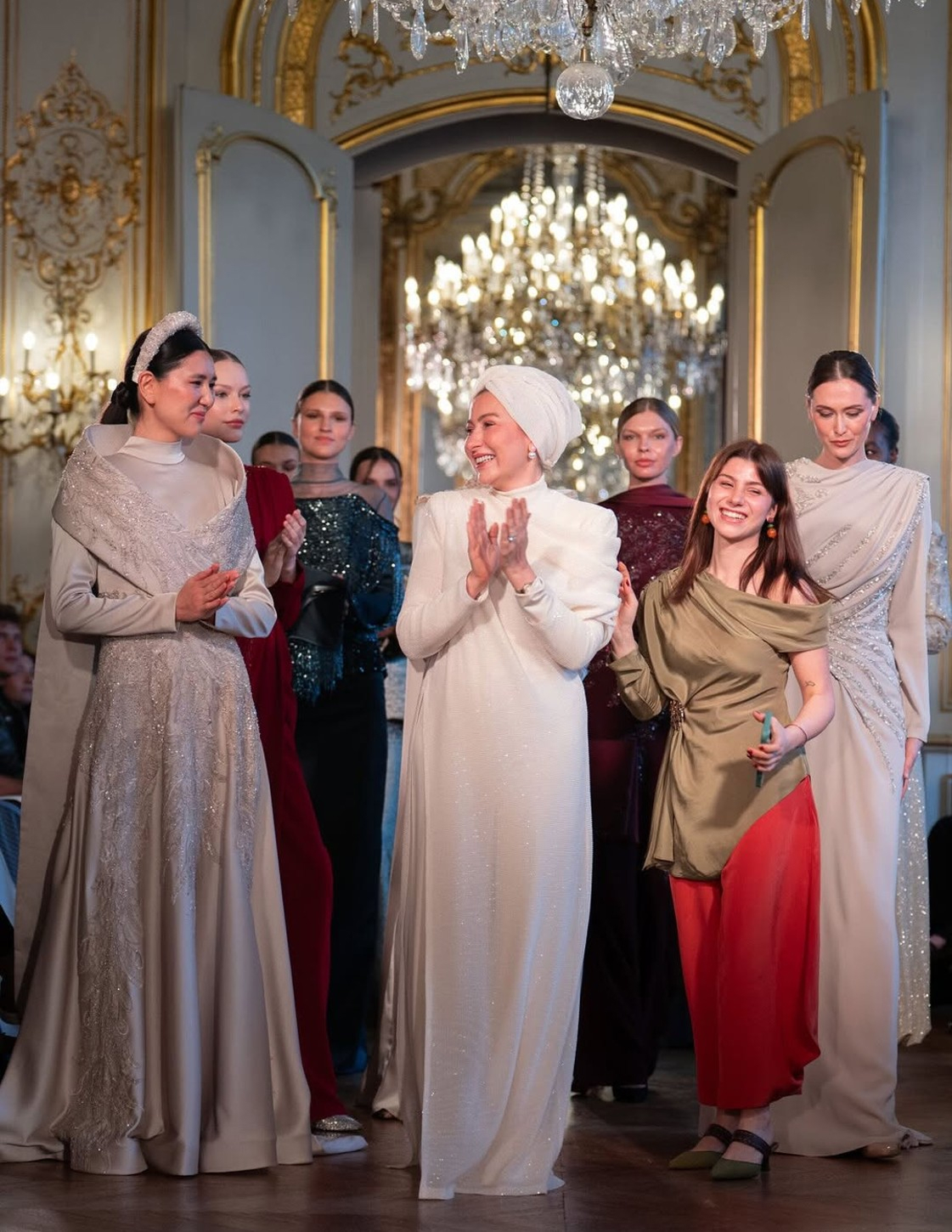
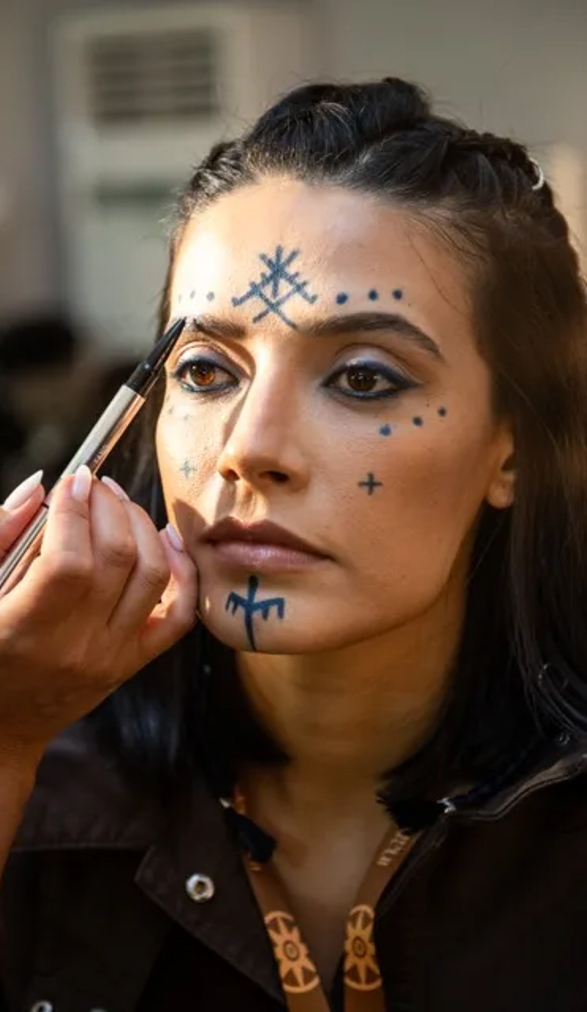
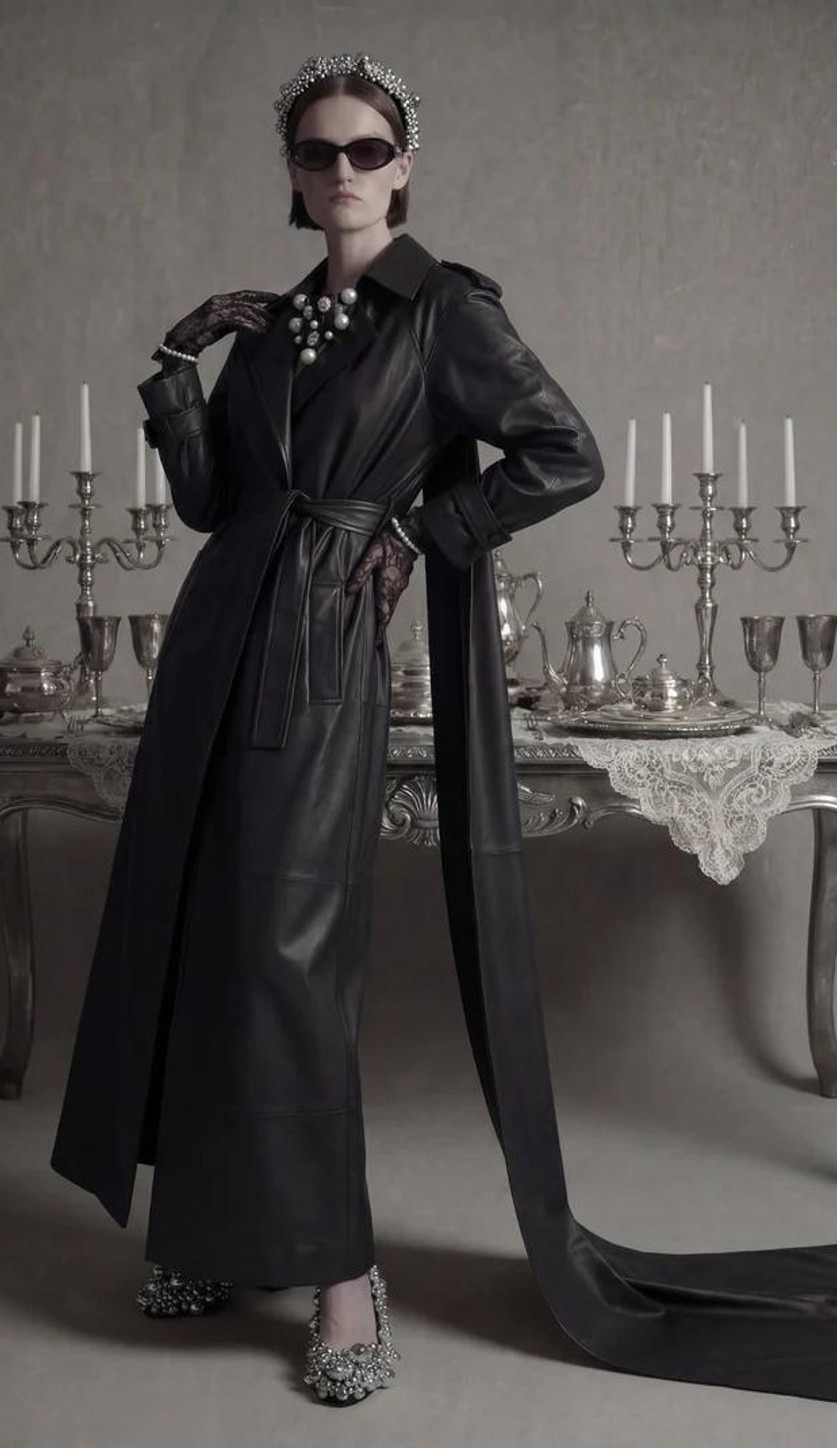
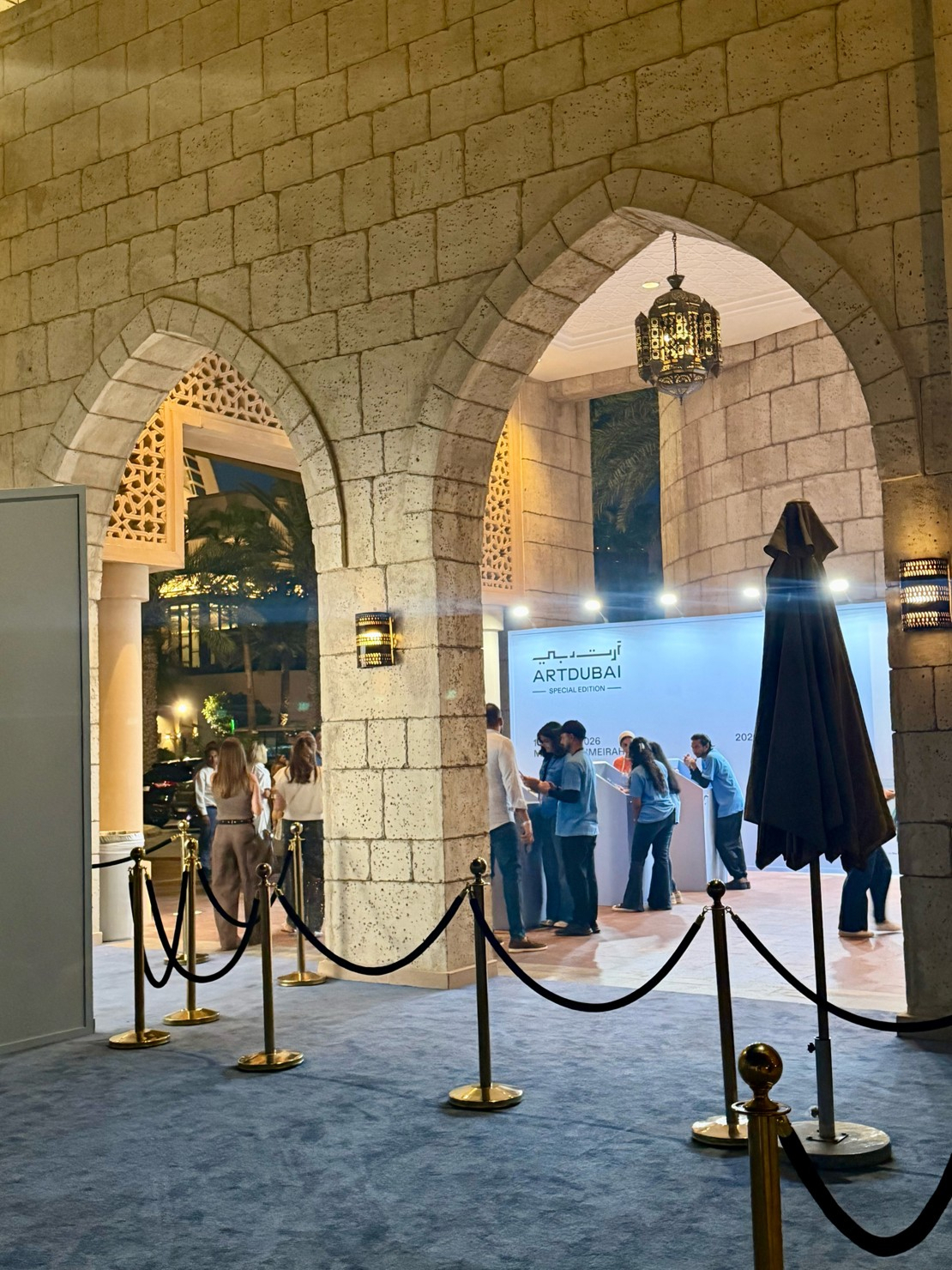
Navigating shifting geopolitics and regional luxury recalibration, the Middle East is redefining its creative ecosystem: accelerating appetite for indigenous heritage, advanced modest fashion, and historical memory.
Domestic Retail & Haute Couture
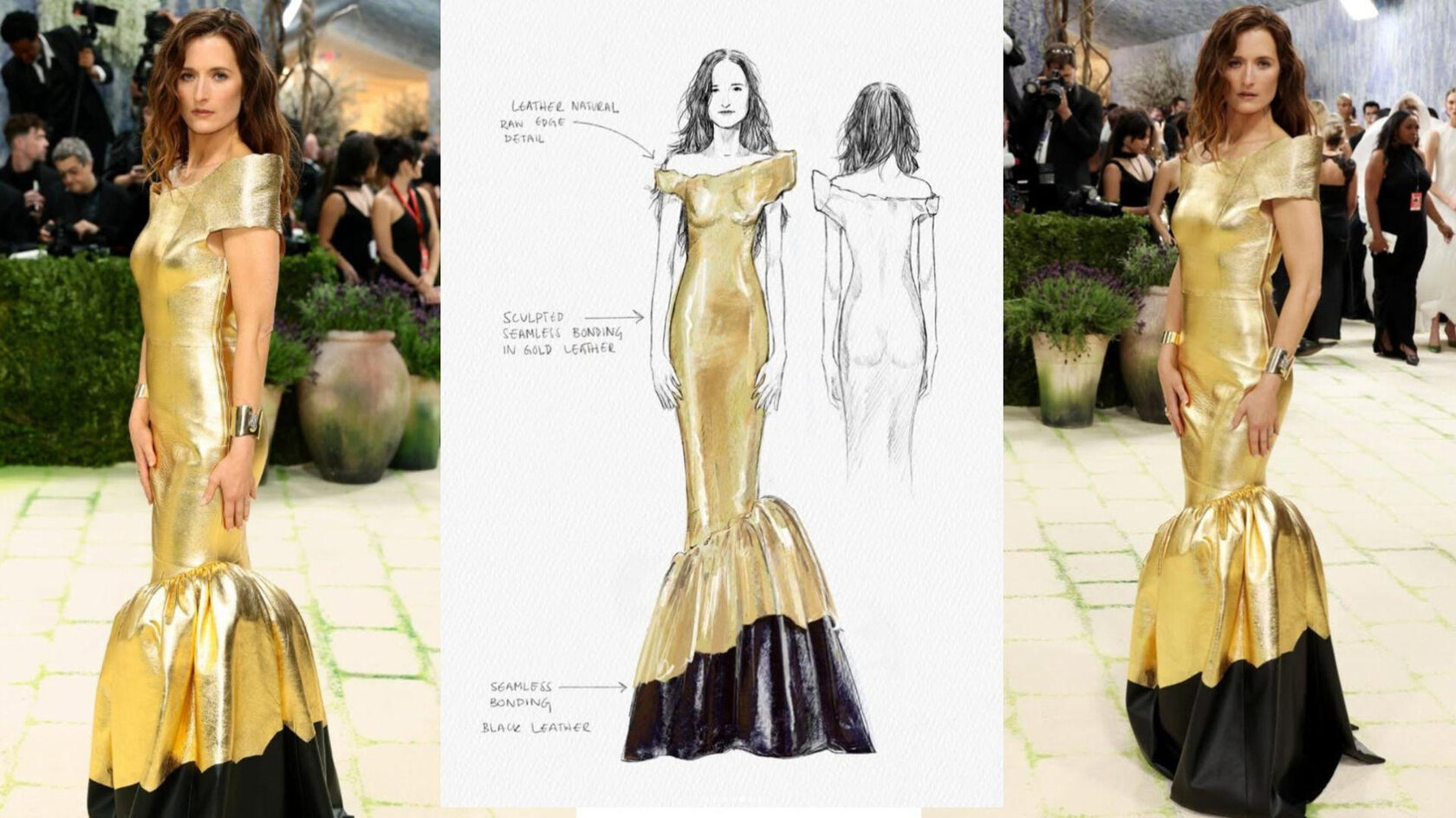
The Giving Movement launched an incubator hub for regional brands; Istanbul’s ITM/Texhibition drew Arab luxury buyers sourcing Turkish textiles for SS27. Zuhair Murad and Elie Saab commanded Paris Haute Couture with architectural austerity. At the 2026 Met Gala, Ashi Studio (dressing Emily Blunt) and Palestinian artist Zaid Farouki delivered structural masterpieces.
Modest Fashion Milestone
Modest Fashion Week debuted in Paris, uniting 30+ regional designers in a high-level trade forum.
Strategic Partnerships & Heritage
Sheikha Bodour Al Qasimi debuted mythological luxury label Inanna Reborn at Mleiha National Park with Byredo; Ayham Hasan demonstrated fuchsia Majdalawi hand-weaving with the Dries Van Noten Foundation; Nora Al-Shaikh collaborated with adidas and Al-Nassr FC on couture football fan dresses.
Silhouette Directions
Rebirth, Abadia, and Nazaal Studio championed grounded silhouettes, dropped shoulders, elongated tassel verticality, and fluid drapes countering Western hyper-exposure. Shabab utilised radical Arabic calligraphy as a subversive youth manifesto.
Cultural Institutions
Qatar's debut hospitality pavilion at the Venice Biennale; the UAE's acoustic pavilion "Wash-washa" archiving ancestral whispers; Art Dubai 2026 curating diaspora dialogues. Saudi feature film "Hijra" won at the Aswan International Film Festival; Grand Egyptian Museum entered Time’s Places of the Year.
Middle Eastern consumers have rejected generic luxury. History is no longer a static museum display—it has become the structural foundation of fashion, where modesty, architectural drapery, and artisanal craft stand as an assertive rebuttal to homogenisation.
Expert Team
Russia
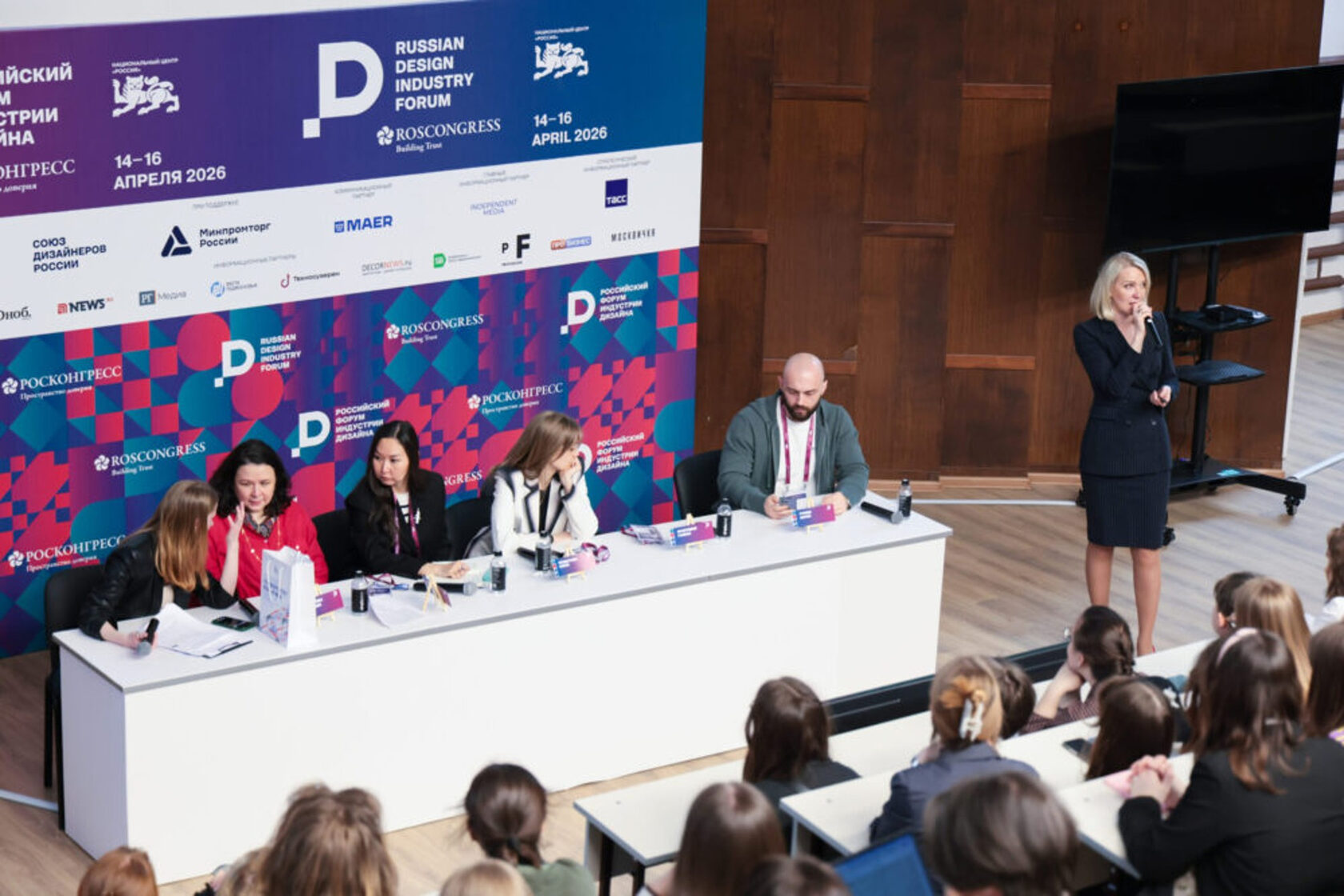
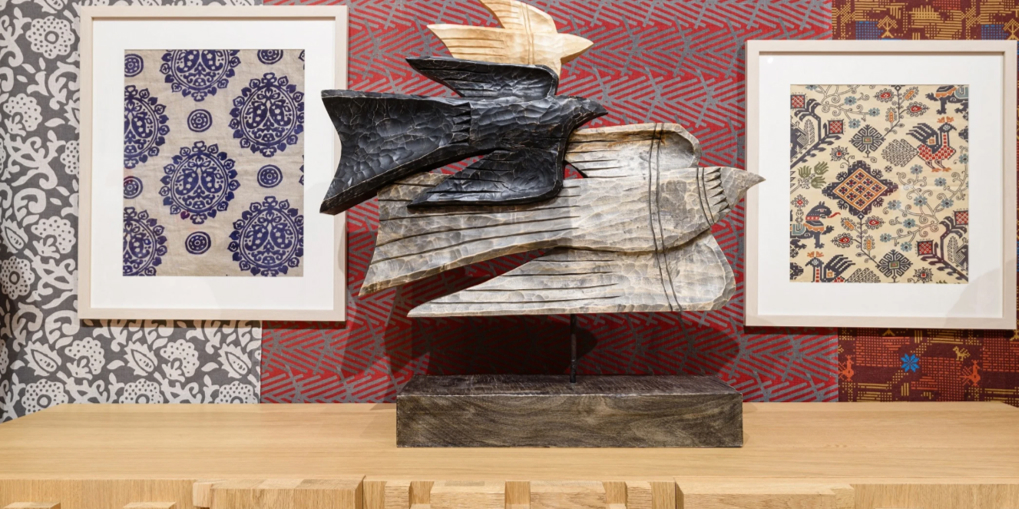
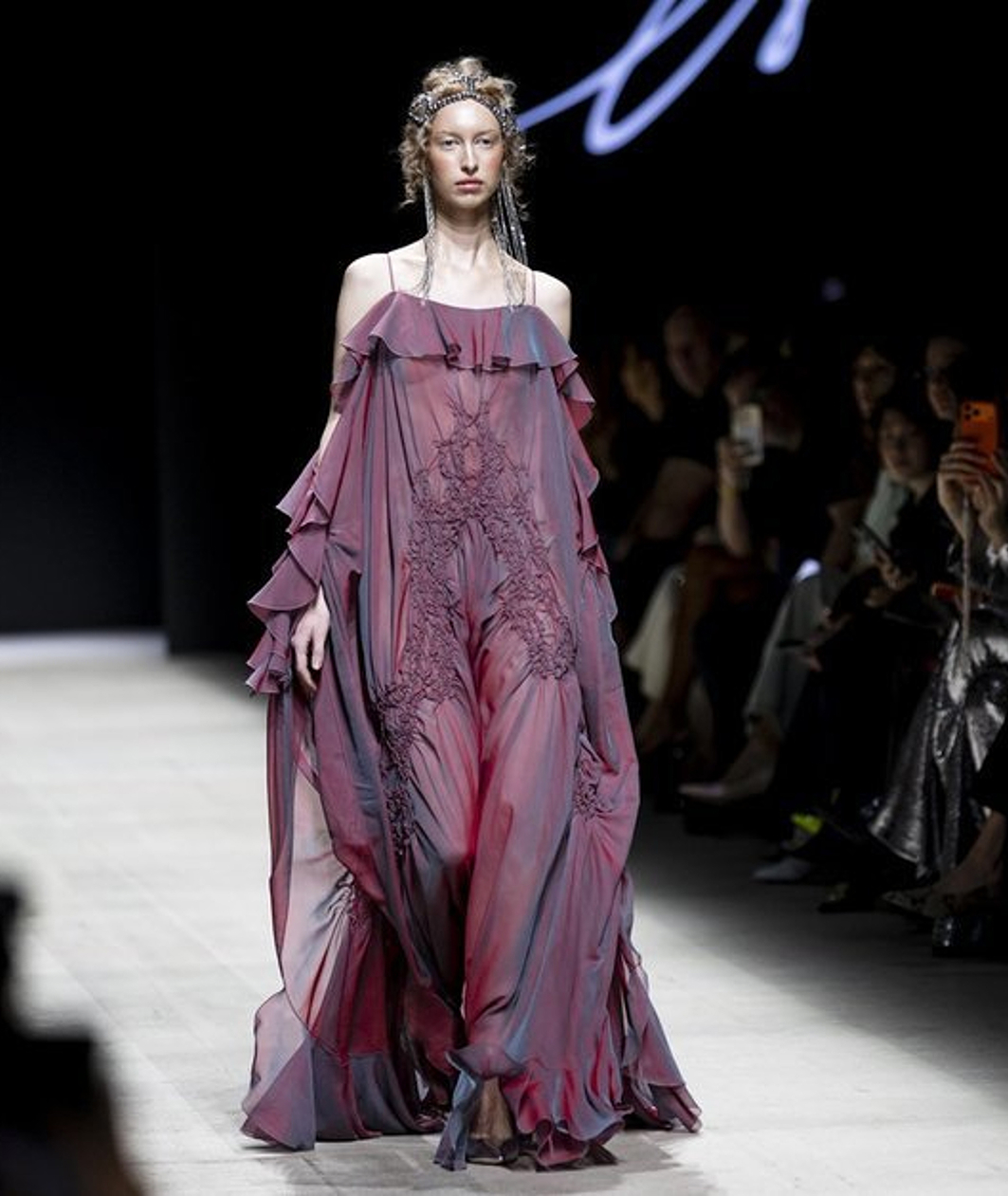
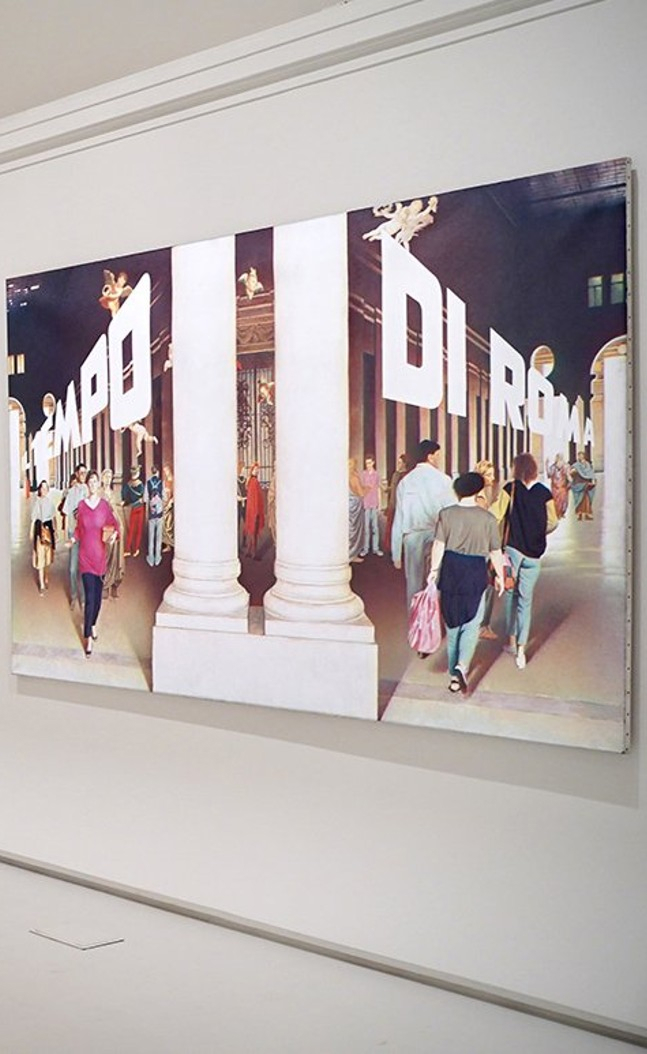

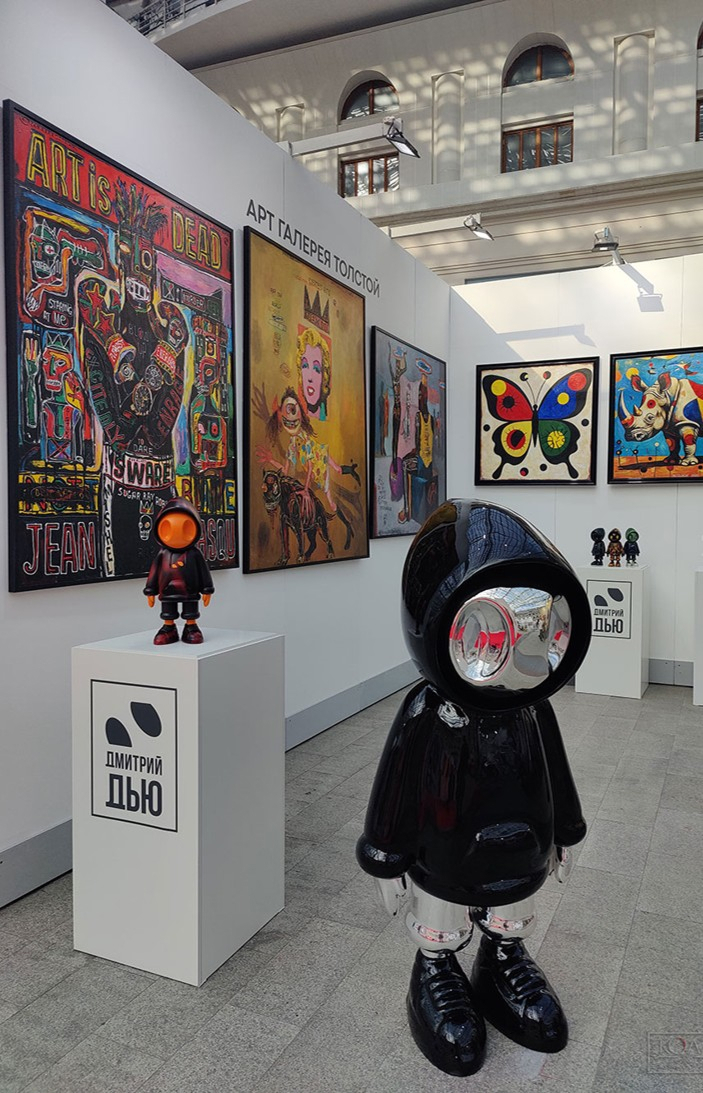
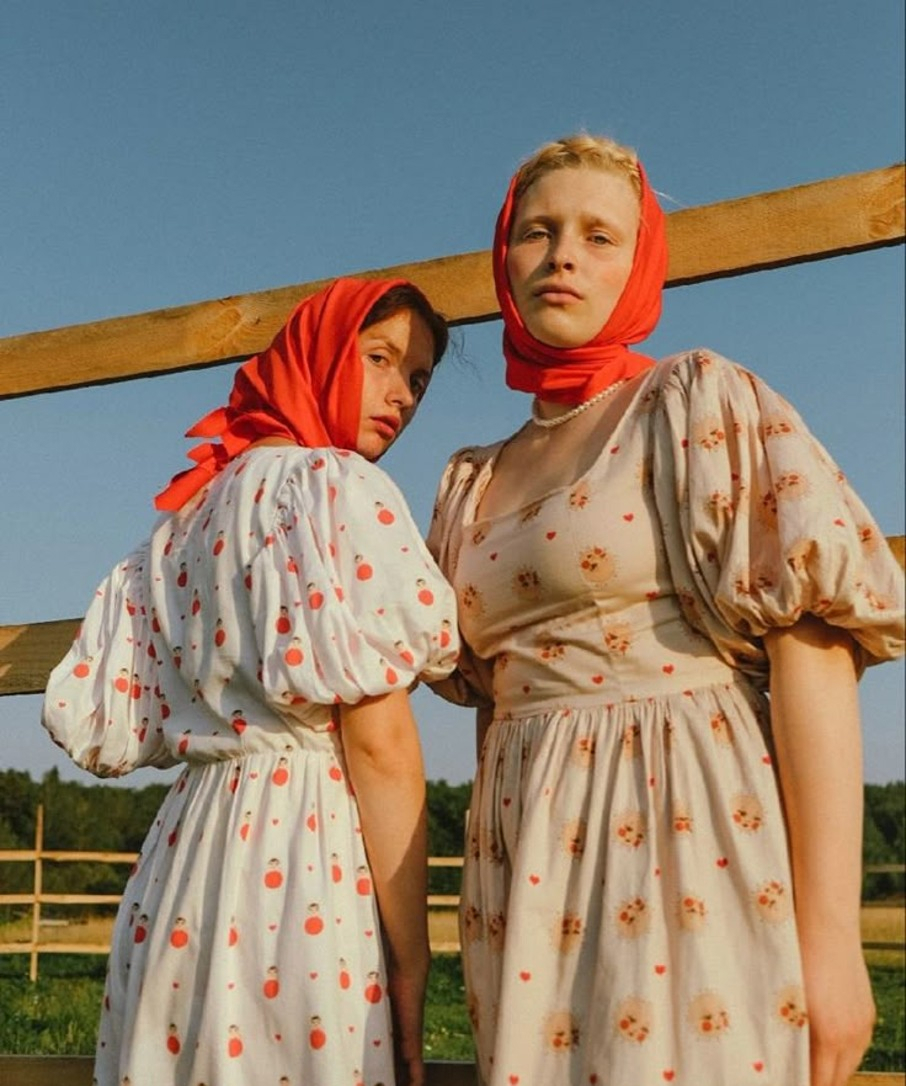
The domestic apparel market focused on deconstructing indigenous folklore, establishing active dialogues with metropolitan street culture, contemporary typography, and fine art.
Moscow Fashion Week & Fairs
Runways favored loungewear-infused urbanism, sheer layers, geometric cuts, and modern Slavic codes (Sasha Barbakov, MHPI military hussar jackets). Alena Akhmadullina showcased "Dowry," featuring drop-waist silhouettes and intricate heritage needlework. The Moscow Fashion Fair integrated theatrical stage performances.
Art Collaborations & Heritage Crafts
Art Moscow explored architectural multi-layering; Erik Bulatov’s retrospective investigated semiotics and spatial text. The "Tradition + Design" exhibition in Tomsk paired traditional crafts (Zhostovo painting, Gzhel ceramics, Khokhloma wood-painting) with fashion designers Alena Akhmadullina and Sergey Sysoev.
Industry Benchmarks & Subcultures
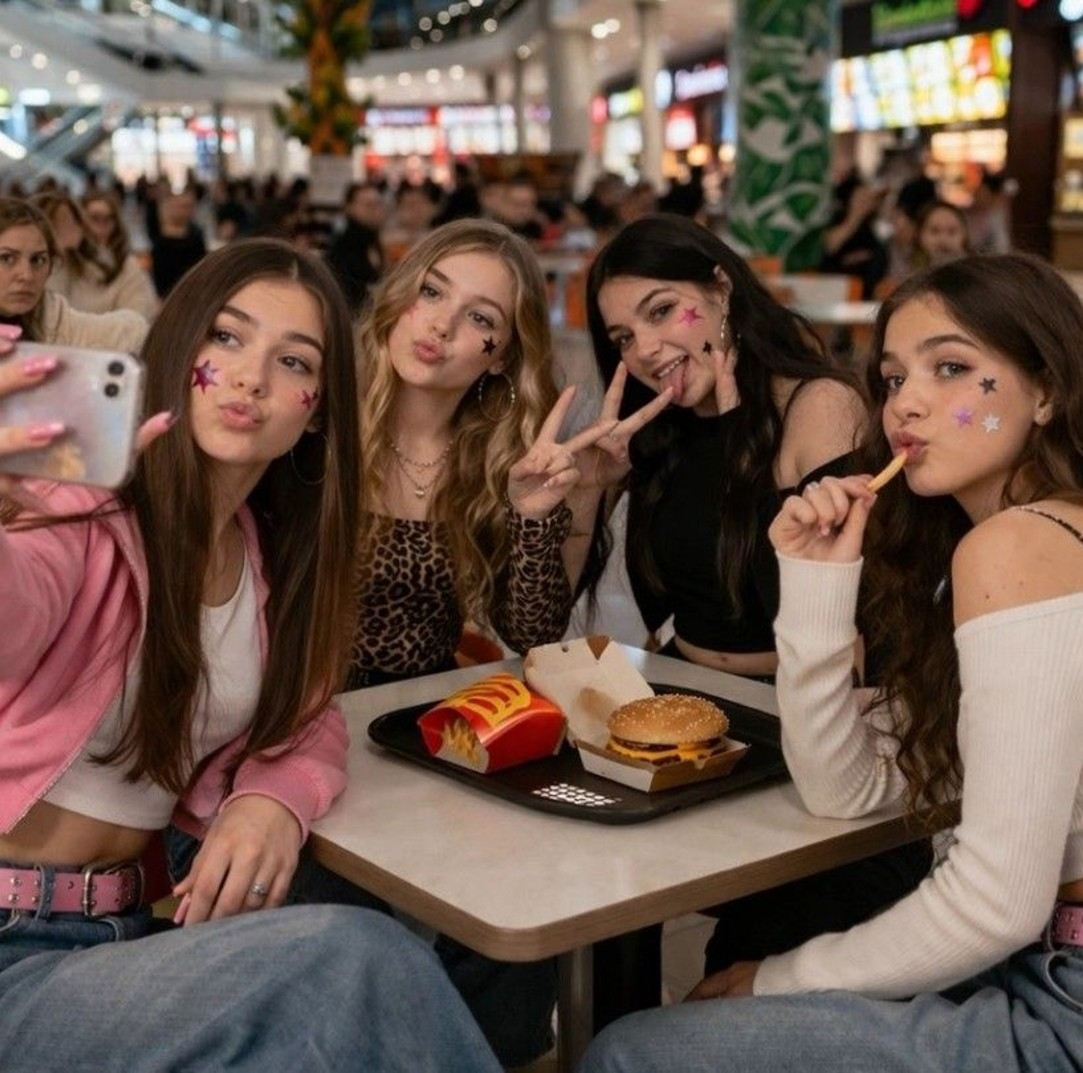
The 4th Russian Design Industry Forum prioritized domestic production sovereignty. Organic youth micro-trends surfaced around the viral "food-court girls" aesthetic (Y2K flares and graphic crop-tops), alongside animated nostalgia for retro cartoon "Nu, Pogodi!".
Authenticity is not achieved through literal museum replication, but through the ability to dissect a cultural blueprint and reconstitute it into an ultra-modern silhouette. We must capture the spontaneous vernacular of social media—it reveals the unvarnished pulse of the consumer.
Maryam Gadzhieva
Africa
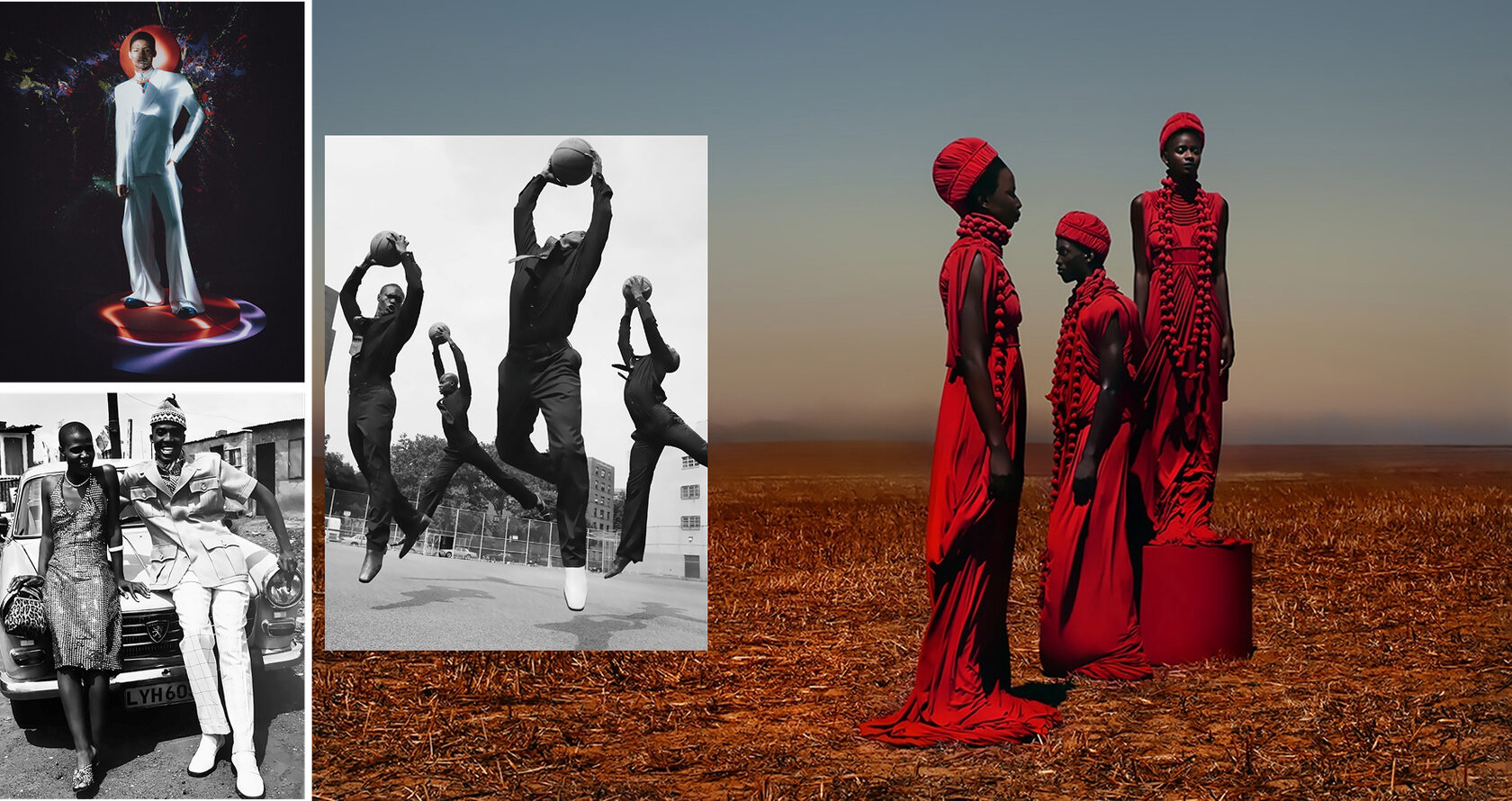
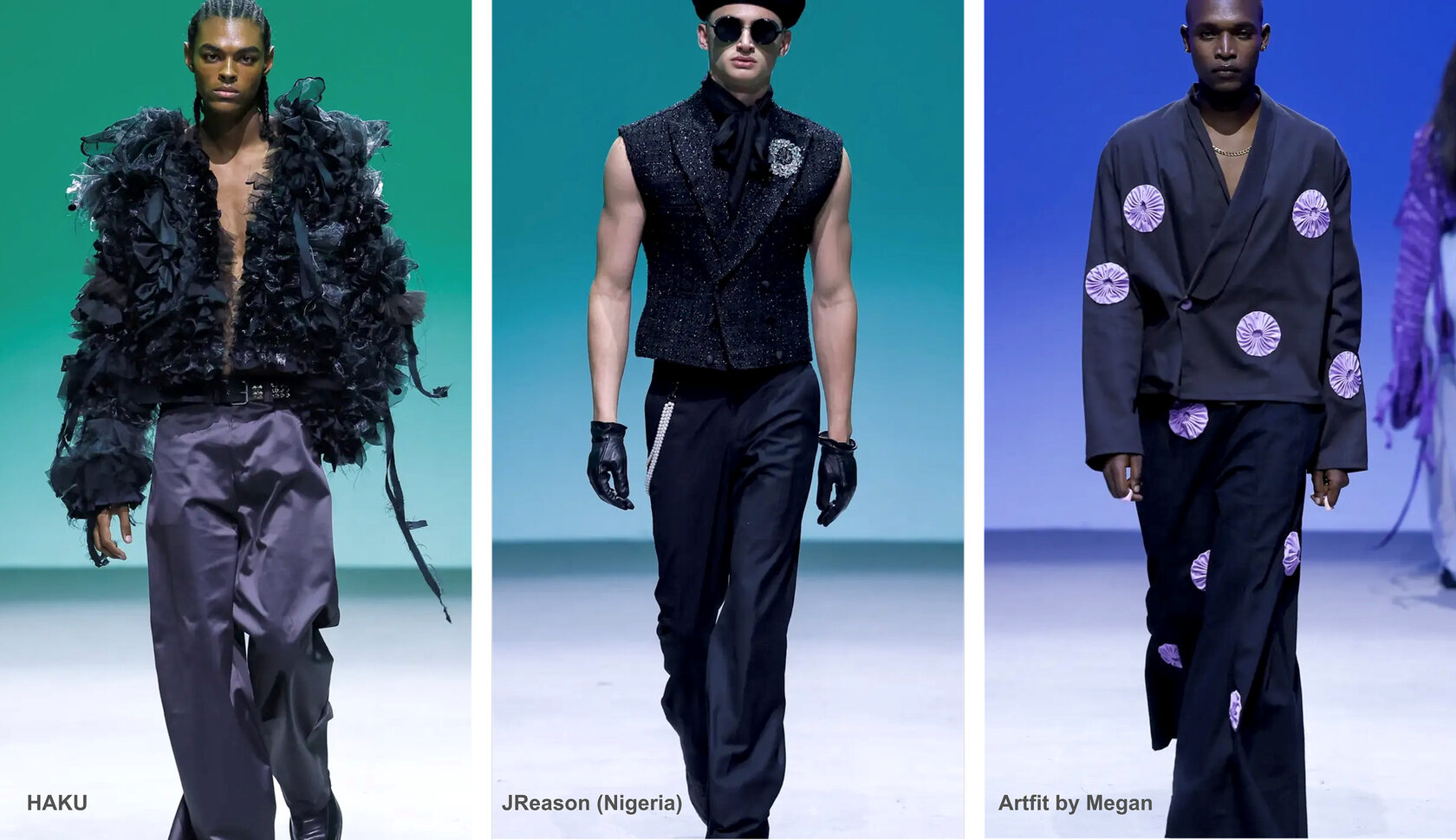
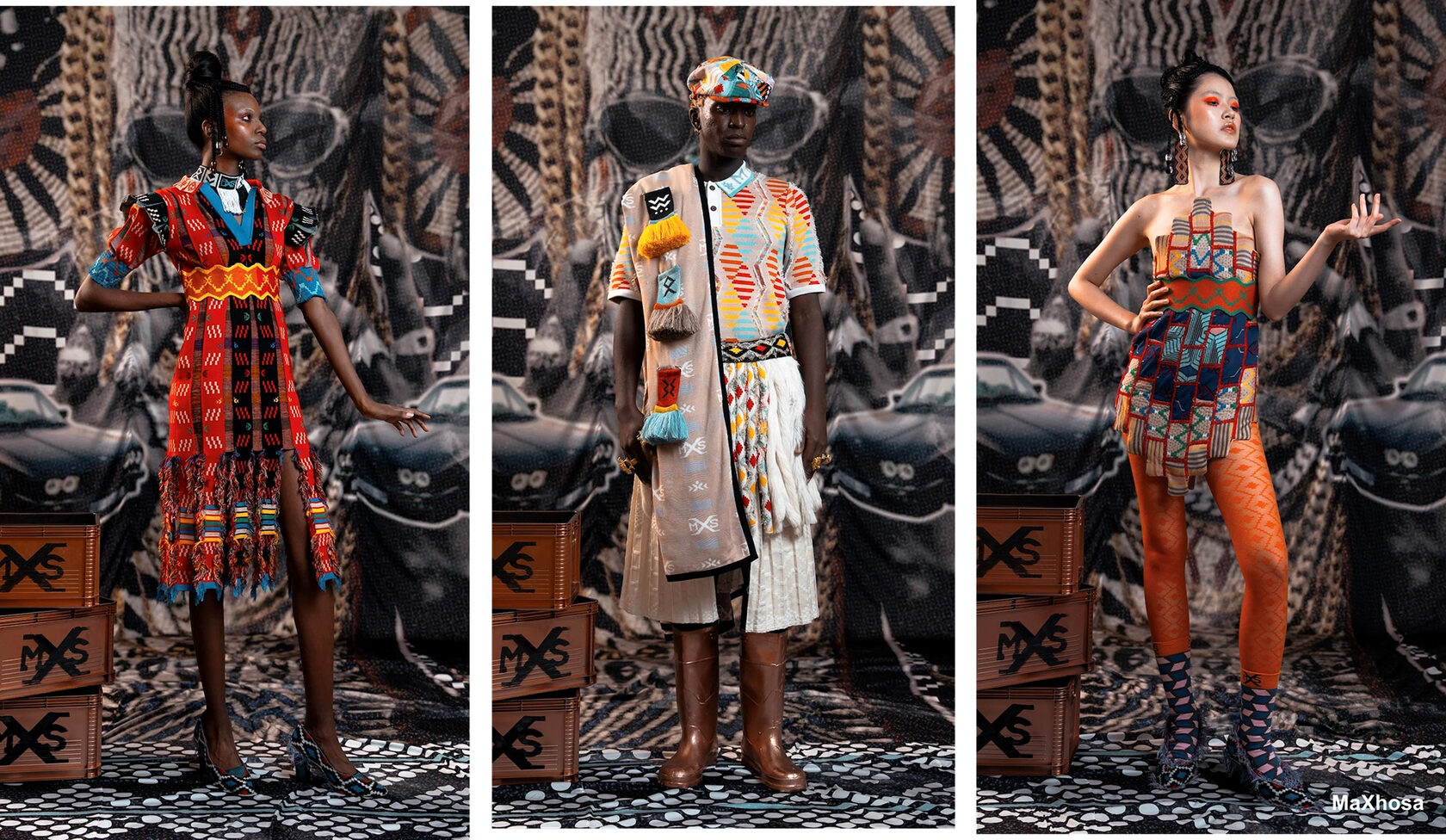
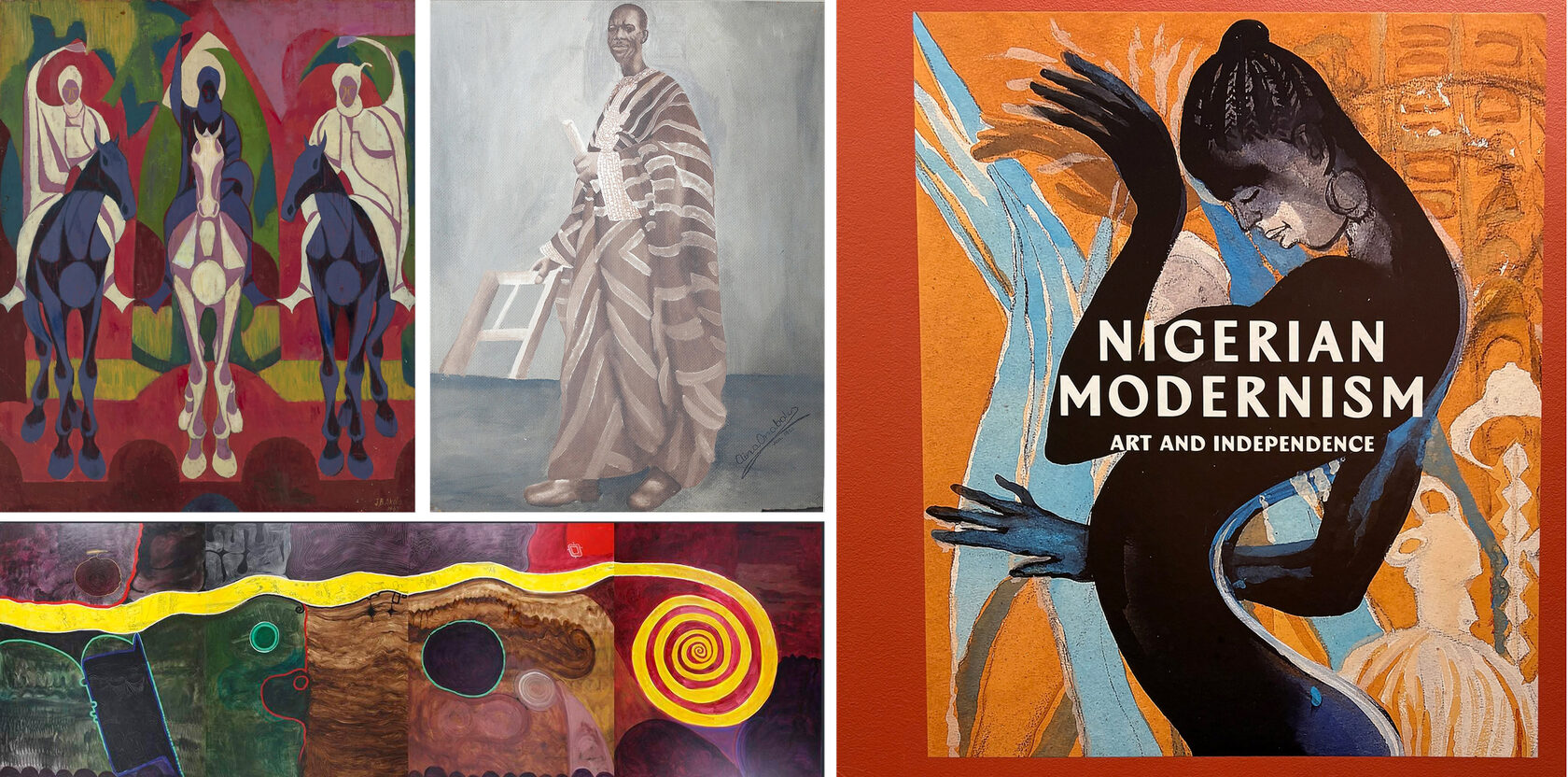
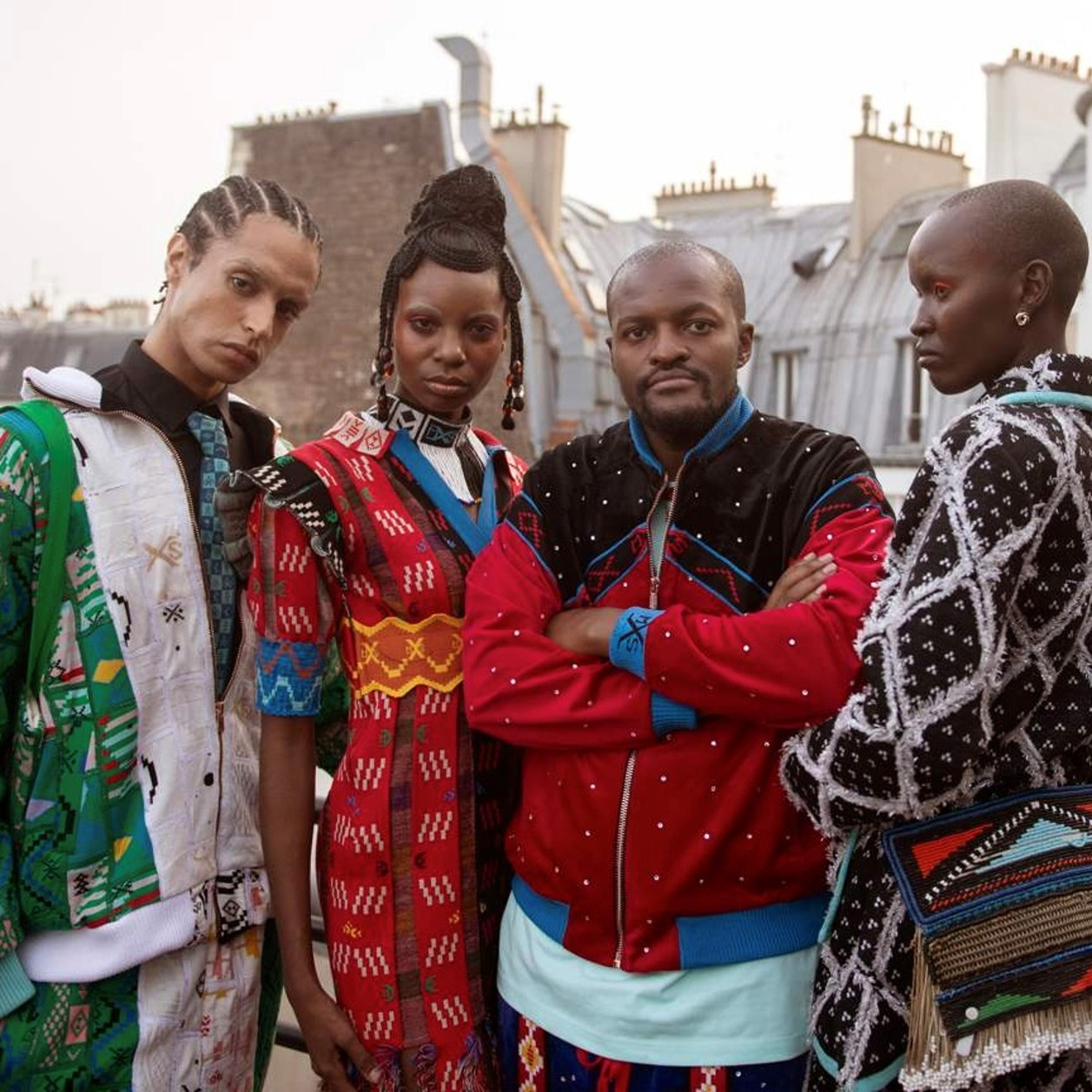
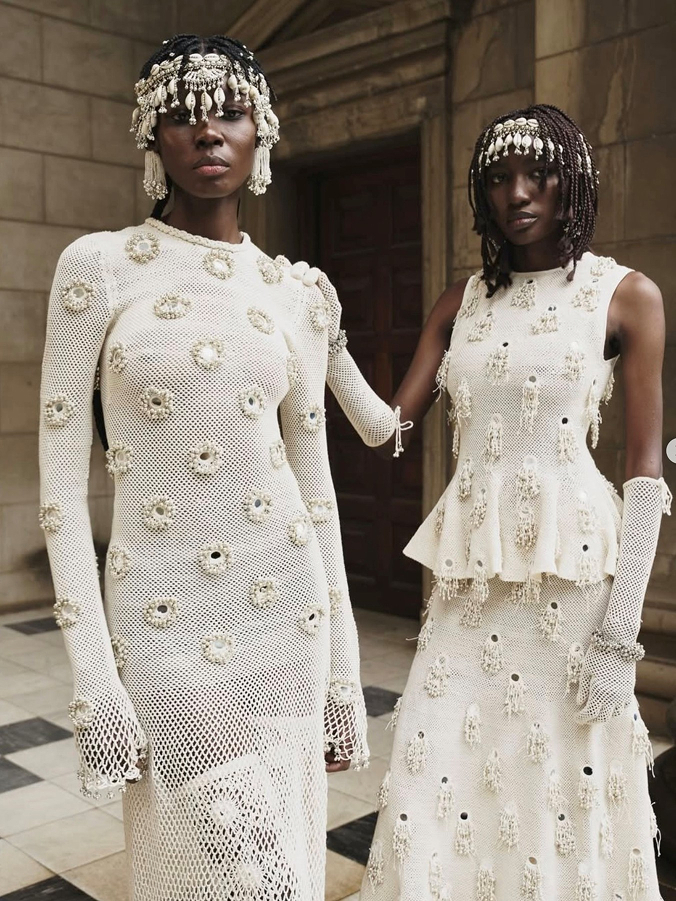
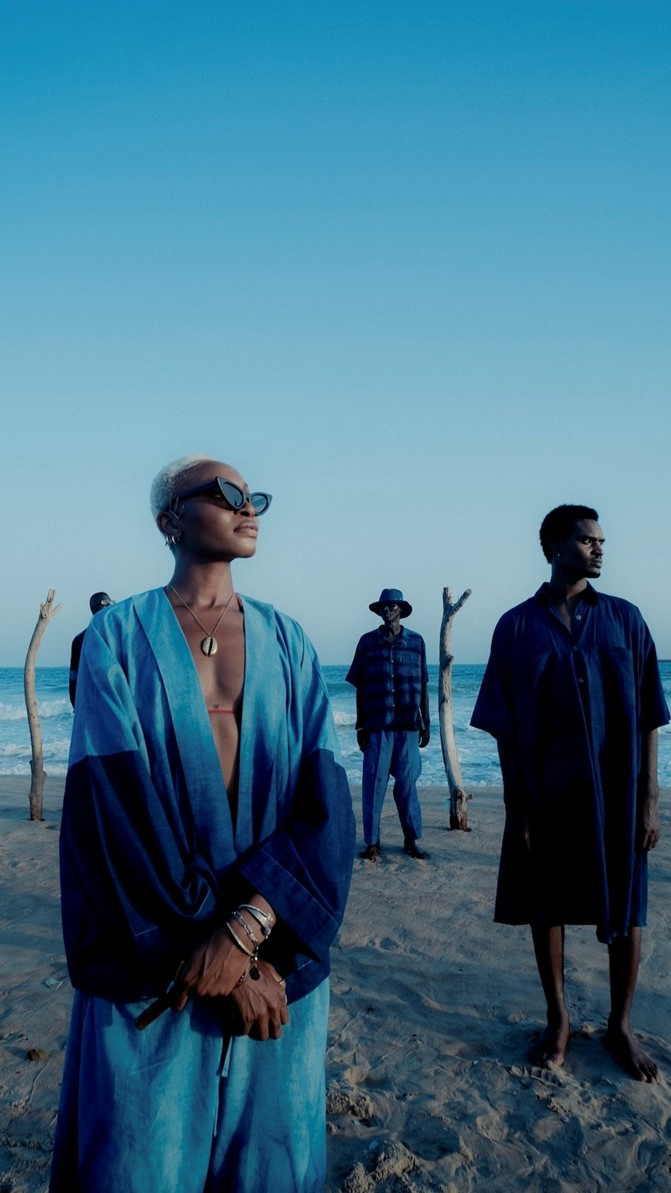
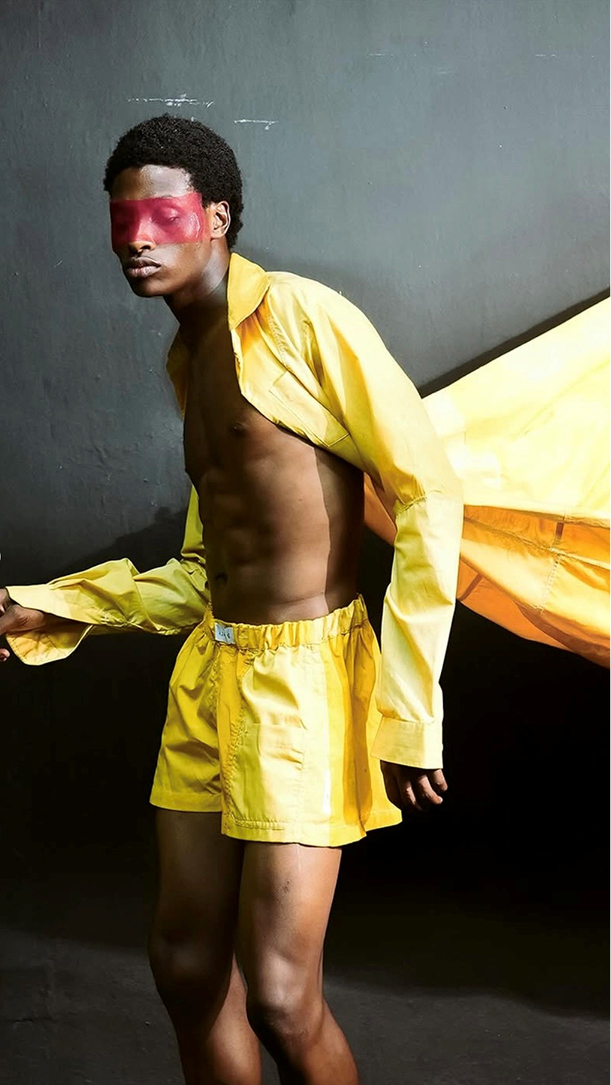
The African continent is asserting decisive creative leadership, shifting from adopting global trends to actively pioneering them. Key focal points—fashion weeks in Morocco, Tunisia, and South Africa—synthesized avant-garde design, intricate handcraft, and ecological responsibility.
Morocco & Tunisia
Moroccan Fashion Week operated as an intercultural crossroads. Haute couture house Sara Chraibi opened with waist-defining caftans. Turkmen designer Govher Gouvernet Pirkuliyeva paired Moroccan silhouettes with Turkmen tribal silver, while Shanghai's Shusuanji unveiled "Emptiness" featuring volcanic-lava 3D corsetry. Tunisia Fashion Week championed ethical luxury, fluid silhouettes, and Ludovic Winterstan's dark couture romanticism.
South Africa (Johannesburg & Cape Town)
Johannesburg embraced 1980s maximalism, pouf and balloon hemlines, and deep cocoa tones. Cape Town re-engineered menswear, disrupting rugged silhouettes with open mesh, ruffles, sheer overlays, and subversive denim.
Kenya & Paris
Tribal Chic’s anniversary show in Nairobi explored the four elements through treated leather, tactile bouclé yarns, and patchwork. In Paris, MAXHOSA AFRICA presented experimental luxury knitwear ahead of its year-long New York flagship pop-up.
Emerging Talents & Projects
Nike Max Residency supported Johannesburg design students curated by Thebe Magugu. Kenyan-Indian designer Anil Padia (Yoshi 1967) advanced to the LVMH Prize finals. 15-year-old self-taught Addis Ababa prodigy Kalputik went viral for sculptural couture created from discarded post-consumer materials.
Art & Retail Ecosystem
50 Years of African Fashion Photography exhibited in Johannesburg; Nigerian Modernism debuted at Tate Modern (London); Morocco unveiled ritual weaving project "Asthata" at the Venice Biennale. A dedicated African slow-fashion boutique opened in London’s Soho.
Africa no longer follows trends—it originates them. The way African creators manipulate texture, assemble multi-layered silhouettes, and direct visual lookbooks elevates fashion into living art. At the Venice Biennale, traditional Moroccan weaving was celebrated as the 'intelligence of hands'—a defining ethos for contemporary African fashion.
Ekaterina Kotskaya
Latin America: Rio de la Plata (Argentina, Uruguay, Paraguay)

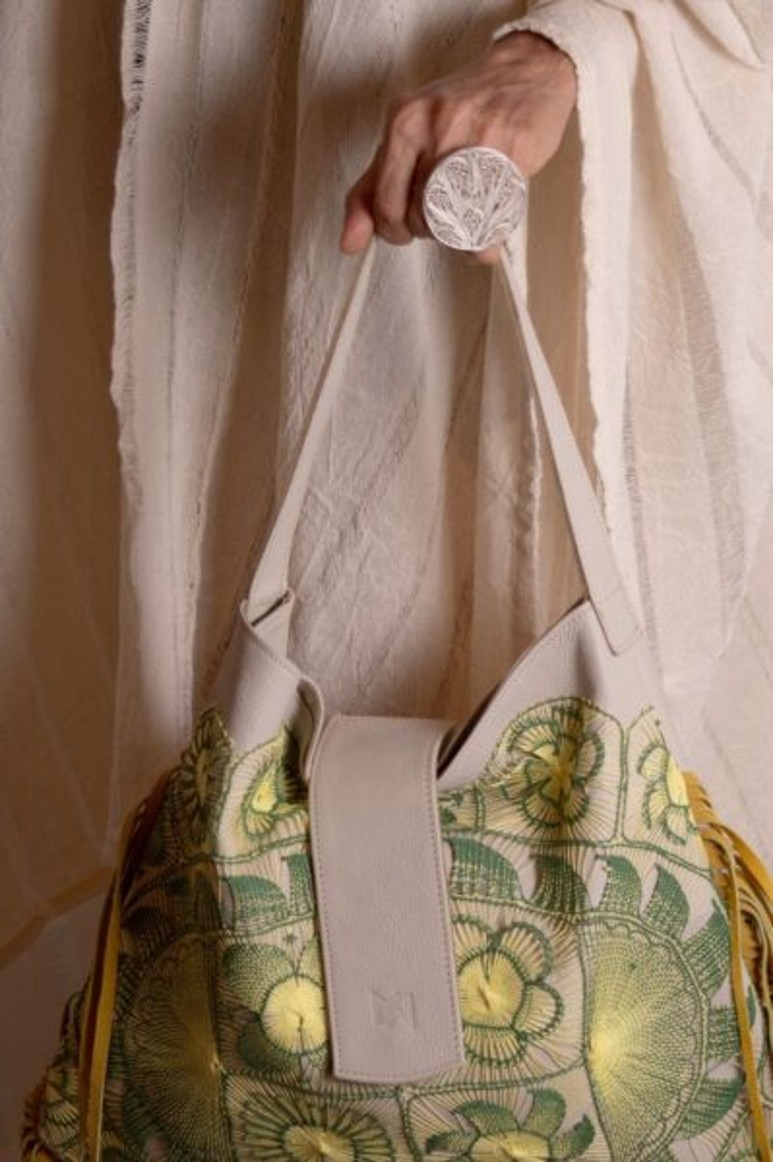
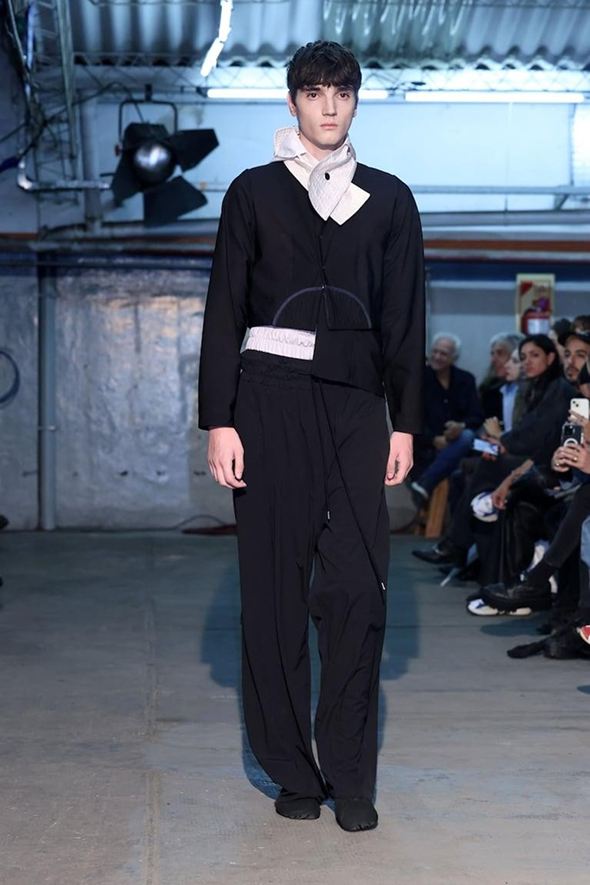
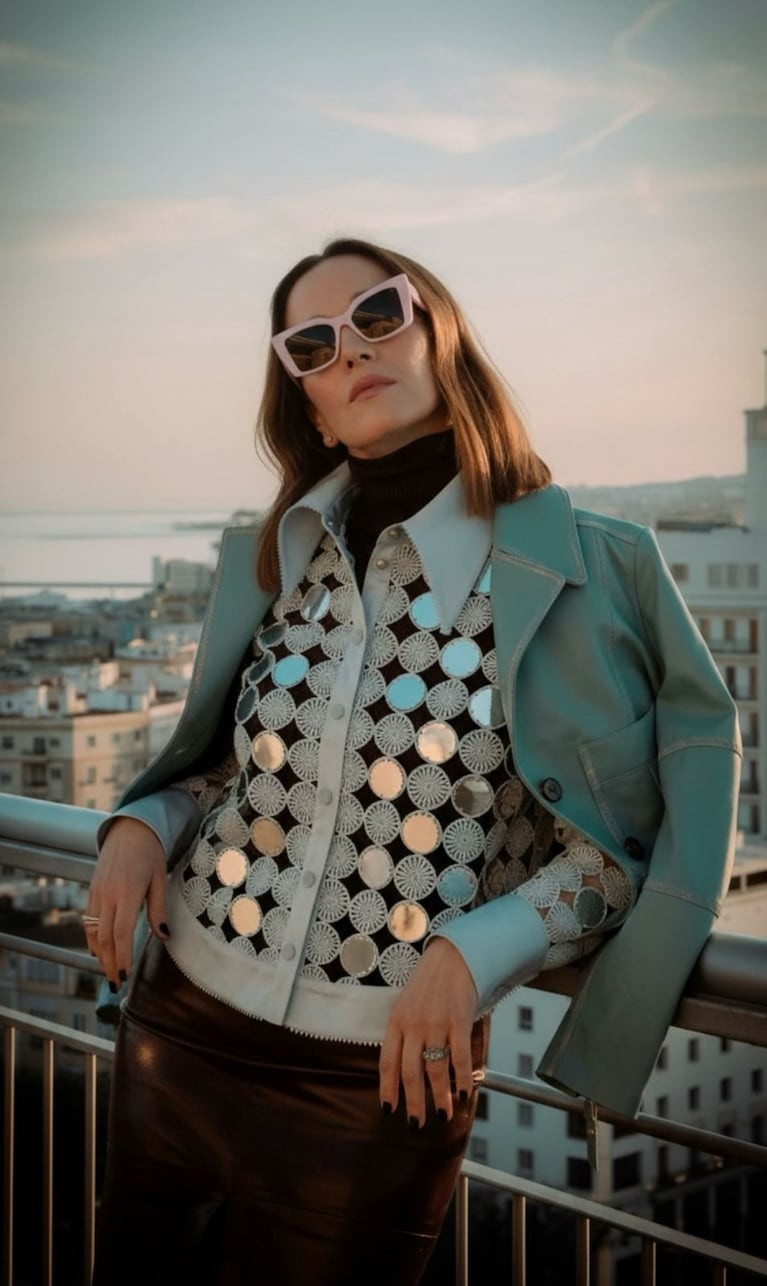
The Rio de la Plata region shows how fashion can act as sharp social and political commentary during periods of economic instability.
Argentina (Buenos Aires Fashion Week)
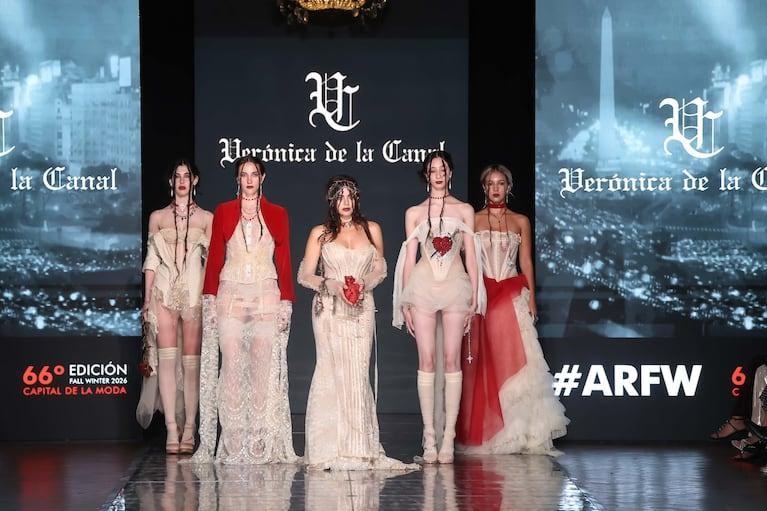
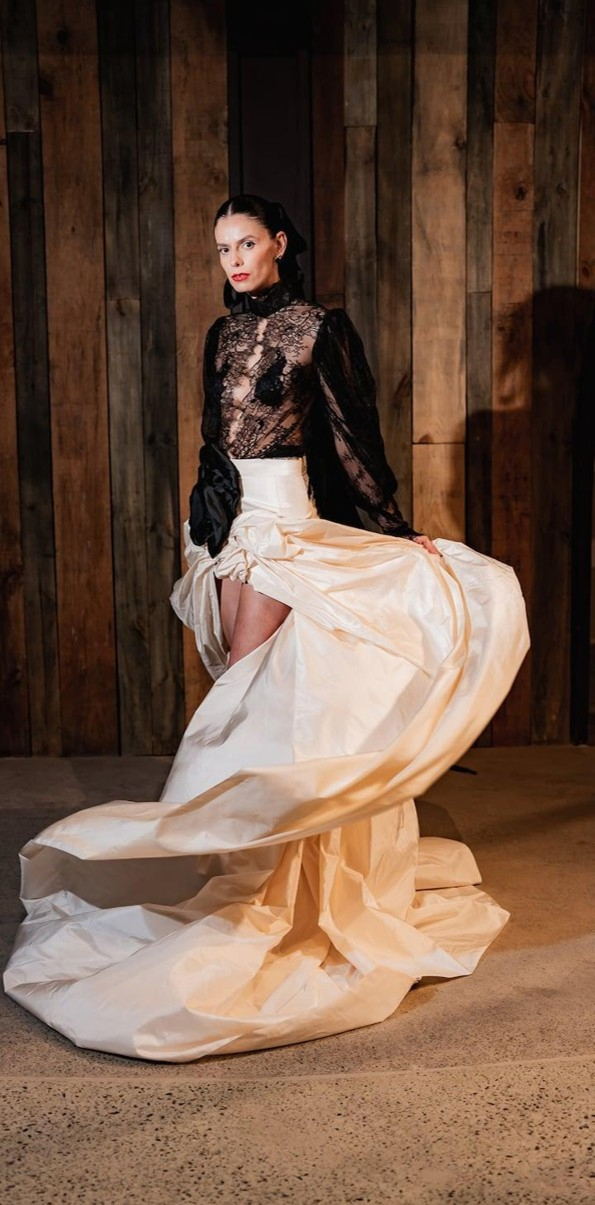
Verónica de la Canal’s "Sagrado Corazón" (sacred hearts, nude vs. crimson flame contrasts); Adrián Brown’s luminous textile installations in Barrio Norte; JT's martial-arts karate runway at an abandoned industrial plant.
Fashion as Resistance
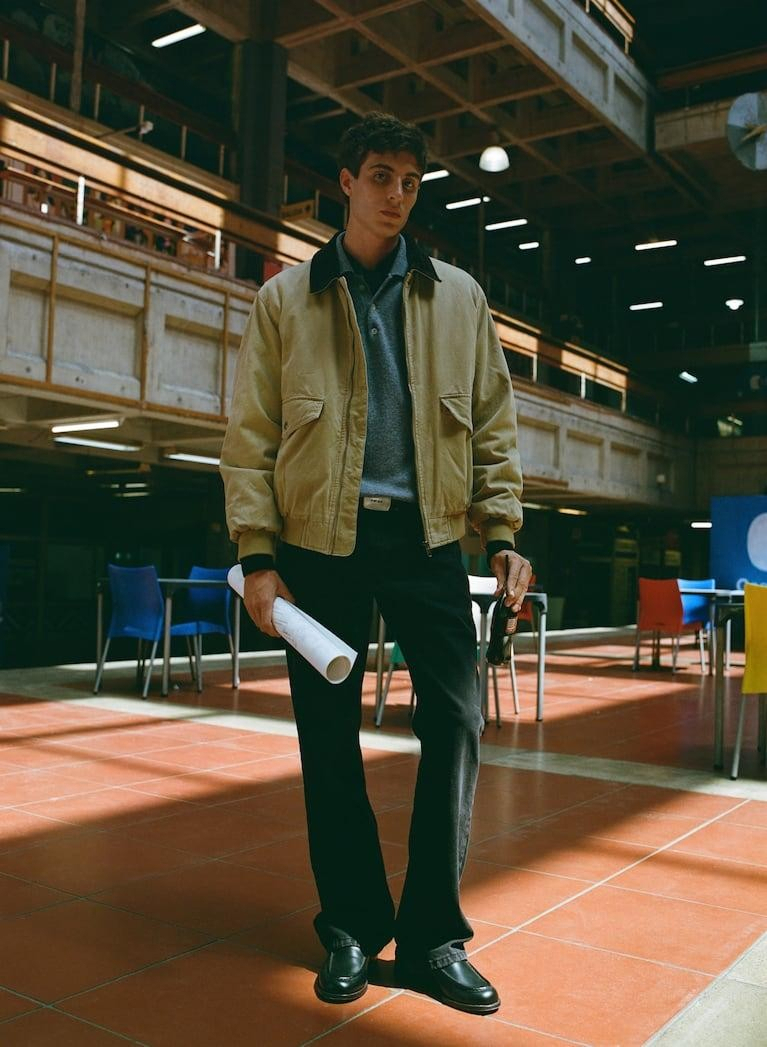
Designers Cecilia Giménez and Sol Iglesias debuted "Patagonia Arde" ("Patagonia on Fire") at the Málaga Film Festival, protesting suppressed reports of forest wildfires. Facing university funding freezes, label Alina Dit produced its lookbook inside the University of Buenos Aires Faculty of Architecture utilising students and faculty, driving viral community loyalty and commercial sales.
Global Leadership
Adrián Appiolaza assumed creative direction at Moschino, debuting an homage to Argentine cultural comic icon Mafalda in Milan; Gabriela Hearst (Uruguay) designed the national team's World Cup 2026 formal uniform and wardrobe for the sequel to "The Devil Wears Prada."
Paraguay’s Artisanal Leap
Asunción Fashion Week rejected fast fashion. Ilse Jara’s "Tipasú" celebrated the Guaraní fertility goddess using hand-spun ao po'i textiles and intricate ñandutí needle lace, propelling Paraguayan designers to Costa Rica Fashion Week.
Latin American design is acutely wired into immediate reality. Socio-economic friction, academic resistance, and ecological emergencies are not concealed—they form the core narrative of collections. Designers engage directly with civic life, and audiences reward them with immense devotion.
Alexey Loshchilin
Latin America: Brazil
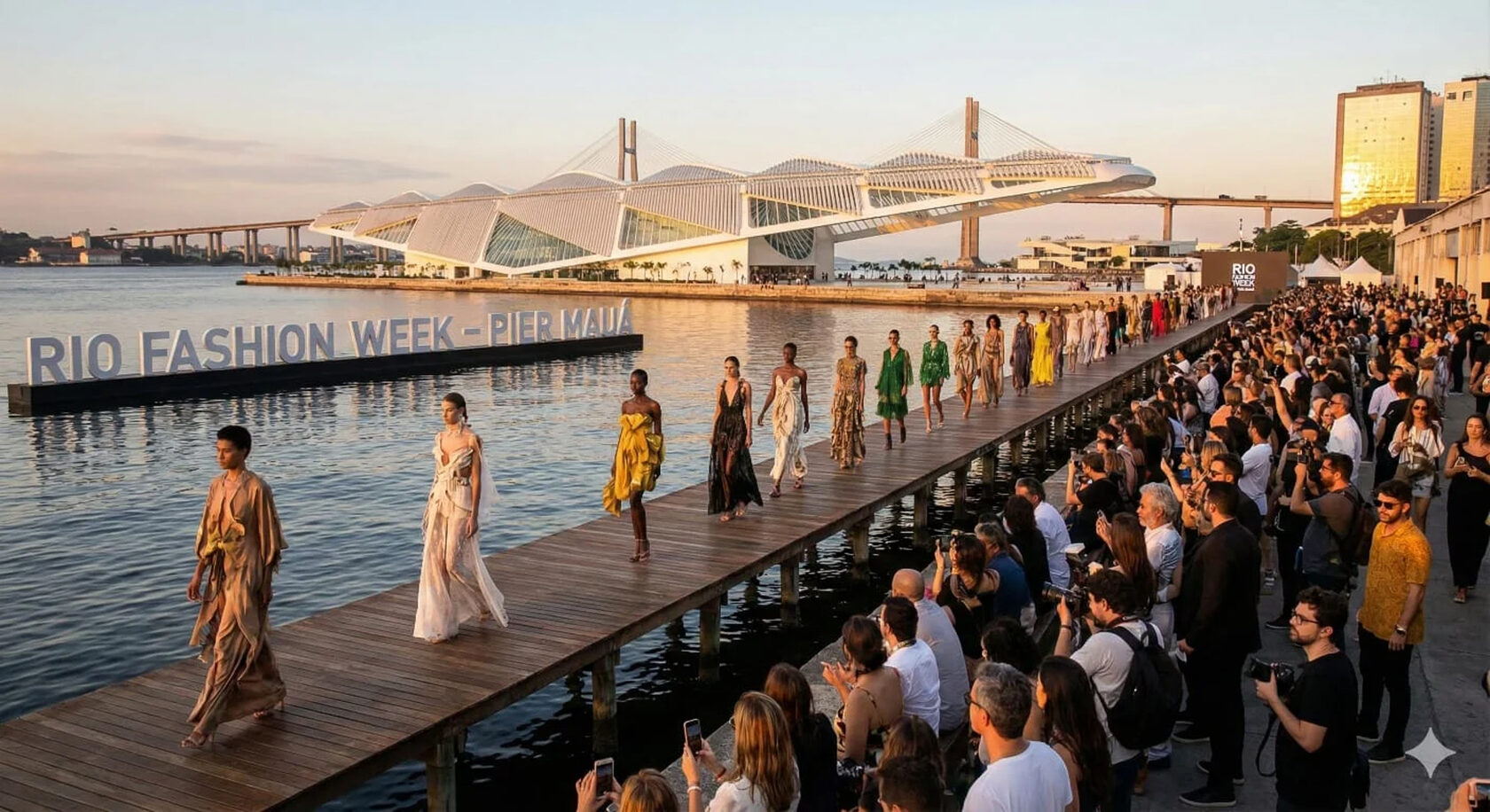
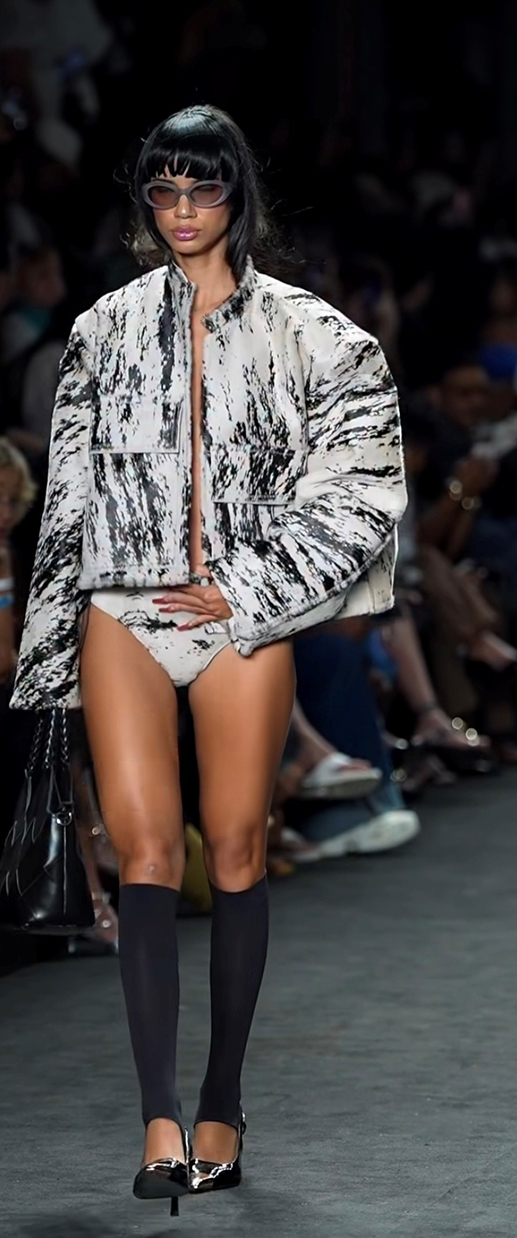
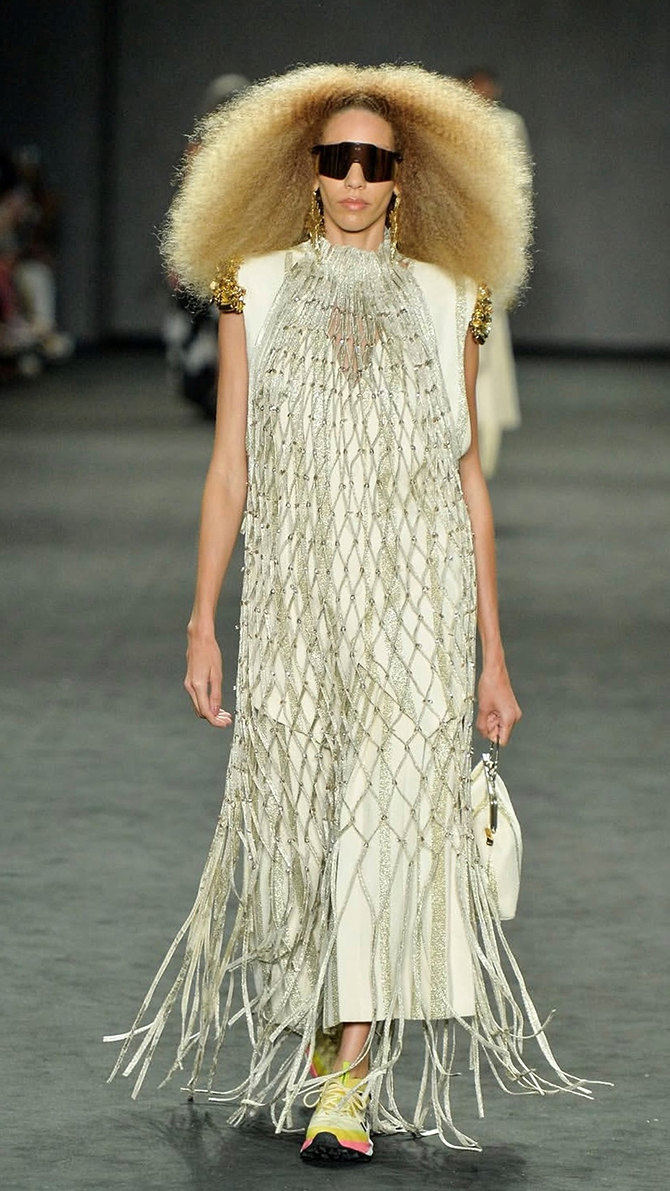
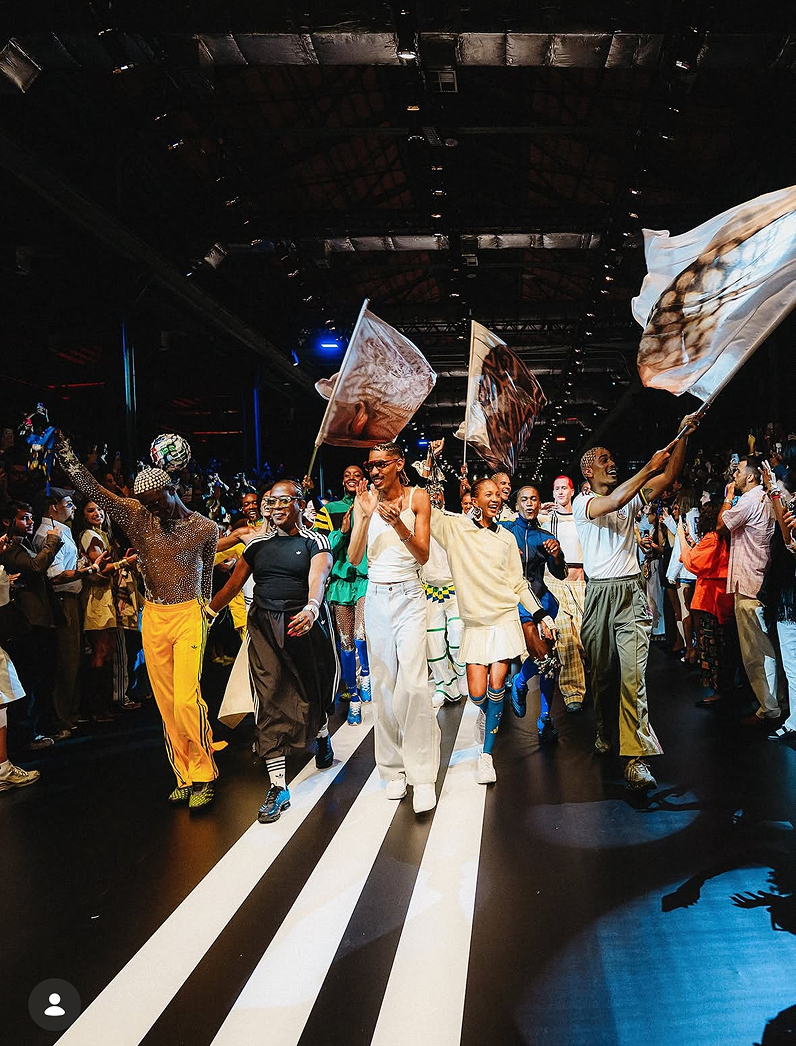
Brazil is reshaping its fashion identity, moving beyond tropical clichés towards urbanism, craft and street culture.
The Return of Rio Fashion Week
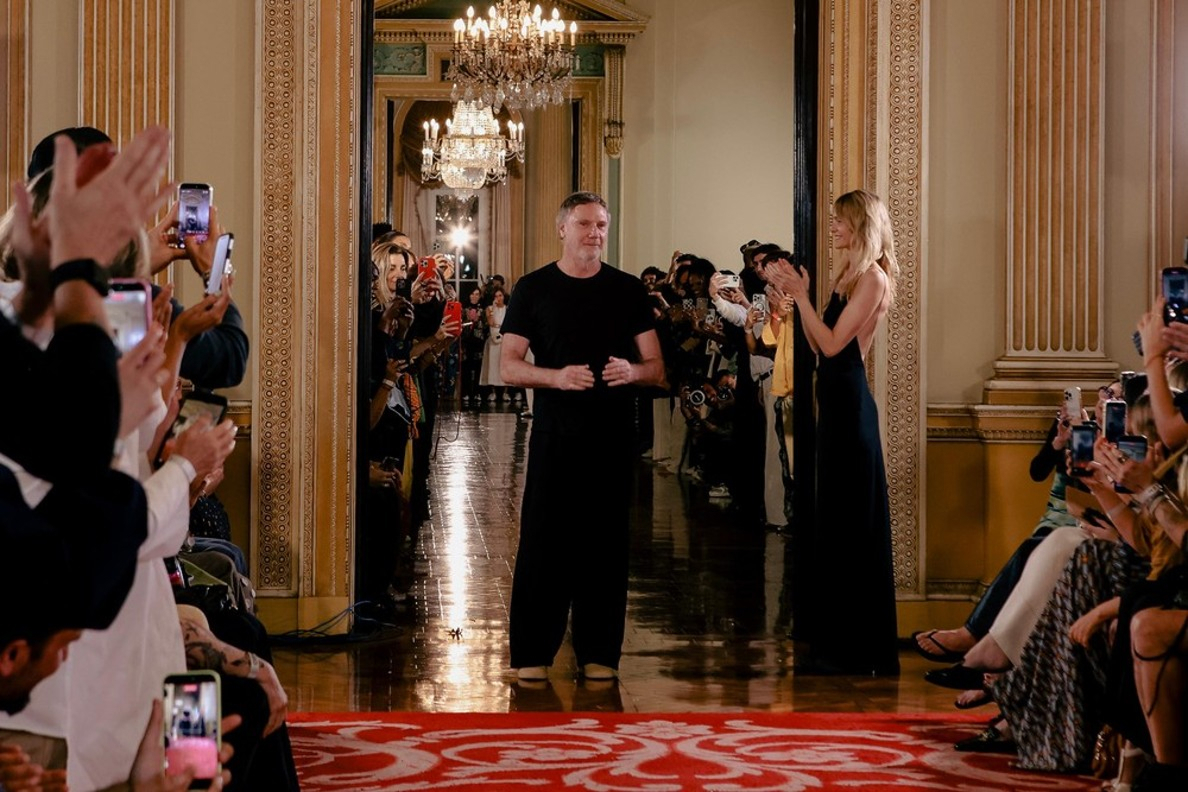
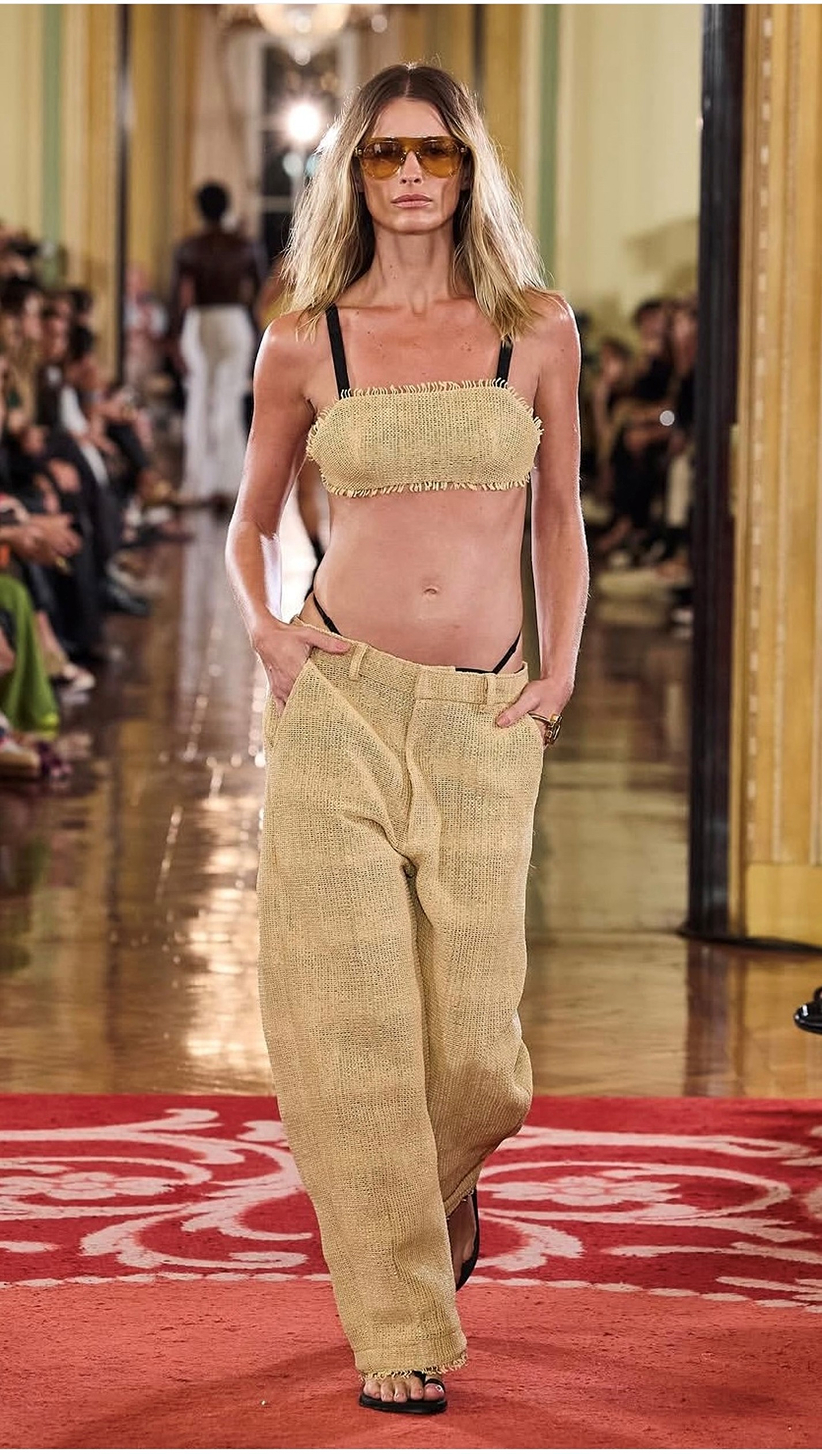
Following a decade-long hiatus, Rio Fashion Week re-emerged within repurposed dockside shipping warehouses. Osklen and Oskar Metsavaht opened at the City Palace: signature Amazonian pirarucu fish leather transitioned beyond footwear into tailored outerwear paired with raw coffee-sack jute.
Favelas, Football & Coastal Culture
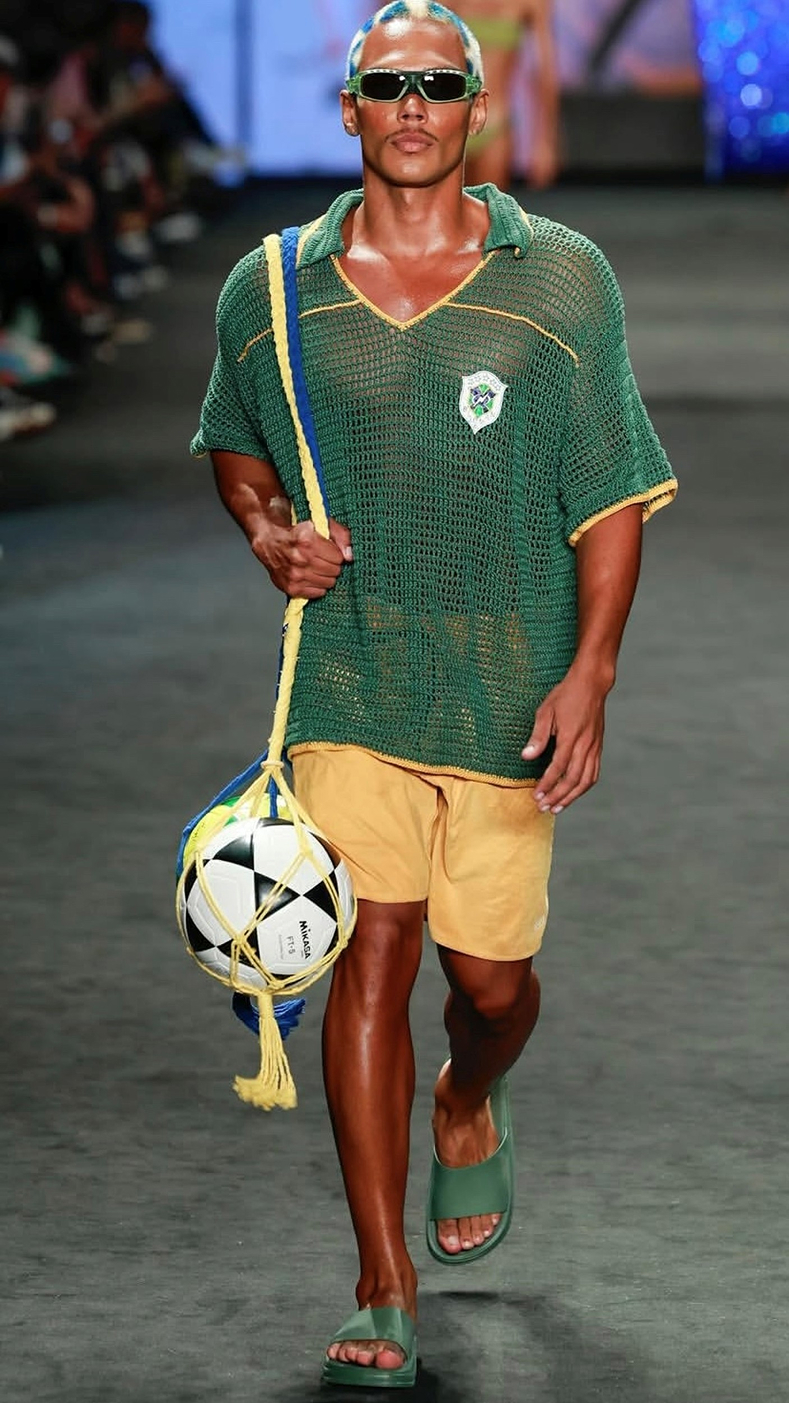
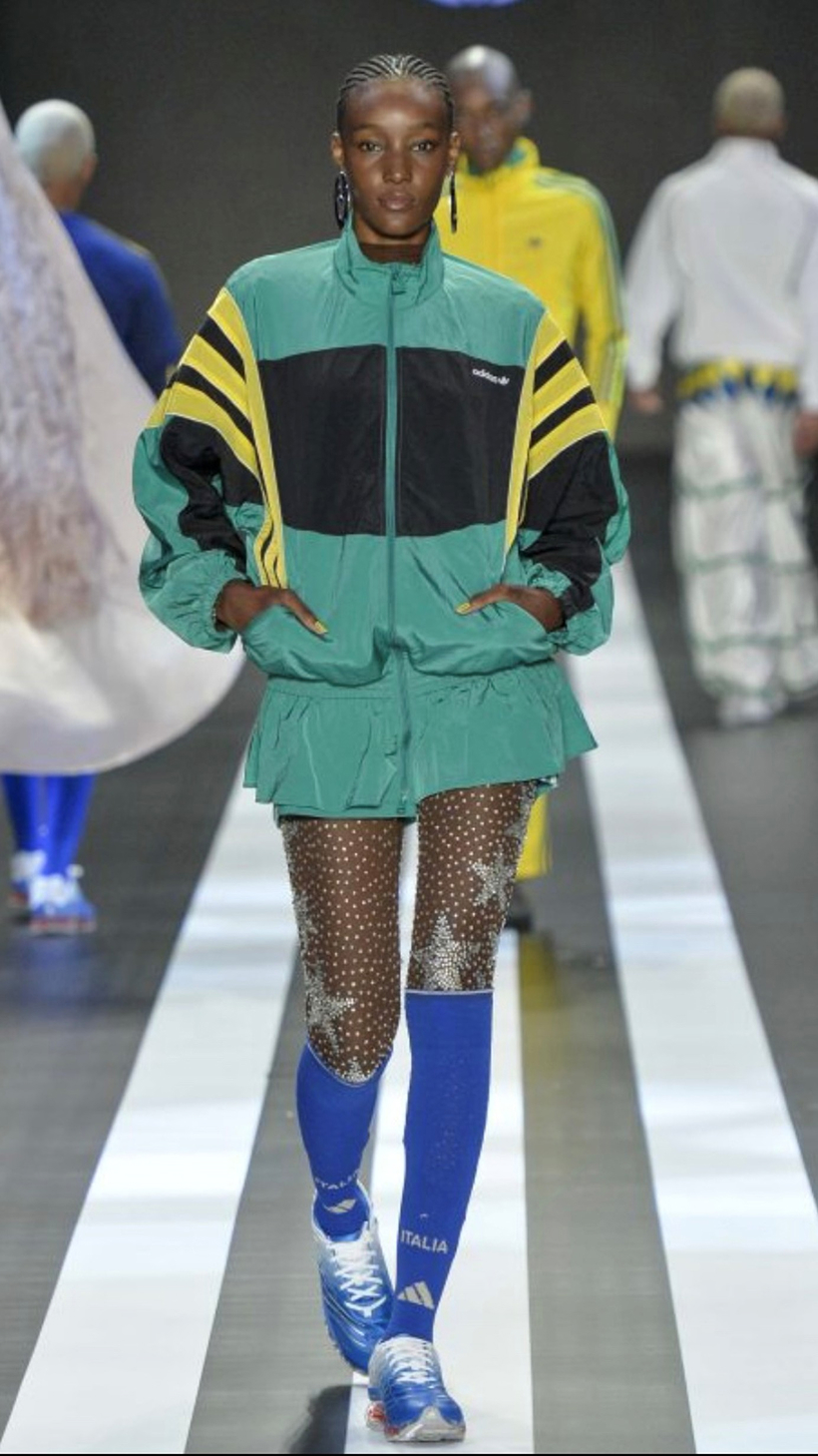
Curated by Rafaella Pina, adidas launched a capsule celebrating favela subcultures (bleached crops, goalkeeper references, all-Black casting). Blue Man cast Copacabana vendors serving iced mate and coconuts alongside 82-year-old icon Helô Pinheiro. At the Museum of Tomorrow, Lenny Niemeyer celebrated 35 years of archival swimwear, challenging disposable fast fashion.
Deconstructed Craft
Apartamento 03 (Luiz Claudio Silva) presented intellectual luxury featuring raw seam allowances and patinated surfaces. Salvador label Dendezeiro fused upcycled streetwear with Afro-Bahian tailoring. Landmark events included Artesanal Fashion Day and the Brazil Fashion Awards in São Paulo.
Brazilian fashion is finally emancipated from kitsch tropical tropes. Modern luxury no longer conceals manual labor — exposed seams, macramé, coarse jute, and wild Amazonian fish leather showcase the artisanal soul embedded within each garment. The coastline and favela street culture now stand as points of profound national pride.
Ksenia Okhremenko