Trend Forum Autumn 2026
Curated from the keynote presentations of Trendsite’s regional external editors during the 3rd Seasonal Trend Forum.
After “quiet luxury”: 6 shifts reshaping fashion in autumn 2026
The era of a universal aesthetic is ending. Autumn 2026 marks the move from “quiet” minimalism towards fashion with character — where local identity, craft, new materials, technology and cultural hybrids are no longer decorative add-ons but the foundation of a competitive product. The main shift is happening outside the familiar fashion capitals: Brazil is turning Amazonian materials and local culture into export luxury, Africa is joining ancient techniques with bioengineering and upcycling, Central Asia is translating heritage into the language of contemporary design and AI, while Berlin and London are rethinking deadstock, resale and digital production. What travels globally today is not another universal visual code, but the ability to turn your own cultural context into a modern, scalable and recognisable design system.
Locality becomes the new form of globality
Regional codes no longer need to be “adapted” to a Western aesthetic: they are themselves becoming the source of a new visual language. From the Amazonian materials of Misci × Veja to Uzbek suzani reinterpreted with AI at Art Basel, value is shifting from abstract inspiration to the specific cultural origin of the product.
Craft turns from heritage into a technology of the future
The question is no longer “how do we preserve a traditional technique”, but what can be done with it next: scale it, combine it with industrial production, new materials or digital tools. African designers work with banana fibre, sisal and recycled aluminium, while Middle Eastern ateliers turn collective craft into a fully fledged production system.
Material becomes the main carrier of innovation
Instead of an endless search for new silhouettes, the industry is experimenting with what a garment is made of: pirarucu leather, biodegradable seaweed-based material, tree latex, natural dyes, industrial waste and deadstock. For designers the signal is clear: material intelligence is becoming as much a part of branding as colour, form and storytelling.
AI stops being a separate digital topic and enters the design code itself
AI increasingly works not only as an image-generation tool but as a co-author of form, visual identity, performance and customisation — from collections visualised entirely digitally in Berlin to the fusion of traditional embroidery and neural networks in Central Asia. The next level is not “designing with AI”, but creating hybrid forms that would be impossible without it.
Resale and circularity move from commercial niche to fashion infrastructure
London’s eBay Endless Runway, Berlin deadstock and African upcycling all point to the same shift: the second life of a material is becoming a design resource rather than a compromise. What matters is not simply using leftovers, but rethinking the whole system of making a product — from raw material and production to the sales model.
The next source of trends is no longer fashion alone
Music, sport, contemporary art, museum archives, industrial design and new technologies are becoming equal generators of aesthetics: from the Brazilian fusion of fashion, music and sport to the Ural alliance of robotics and fashion, and the influence of London museum projects. For a designer in 2026 it is not enough to watch the runways — you have to track the cultural environments where the next visual language is formed.
If it all comes down to one practical conclusion for Trendsite subscribers: in autumn 2026 the winner is not whoever repeats a global trend fastest, but whoever is first to find their own cultural resource and turn it into a contemporary product.
Latin America: Brazil


The Brazilian fashion industry is undergoing a significant shift, moving away from external references towards local identity, Amazonian biomaterials and crossovers with music and sport.
Institutional Framework & Calendar
The newly founded Brazilian Fashion Council acts as a diplomatic bridge for global expansion (including the BRICS+ Fashion Summit). The calendar is split: H1 in Rio de Janeiro, H2 in São Paulo, decentralising the creative economy.
Cultural Export & Pop Stage
Anitta’s performance at the UEFA Champions League Final opening in Los Angeles wearing custom H&M proved the commercial power uniting music, sports, and mass fashion. Her visual albums champion Afro-Brazilian artisanal heritage.
European Expansion
Pedro Andrade joined the official Paris Fashion Week calendar for the second consecutive season, soundtracked by DJ Marcelo D2. Farm Rio generated 40% of international revenue via European resort pop-ups. La Samaritaine in Paris dedicated an exclusive showcase to 14 Brazilian labels.
New Craft Luxury & The Amazon
Misci was spotlighted by Vogue for modernism, launching a Veja collab (Paulista sneakers in pirarucu fish leather). High-profile drops include Havaianas x Isabel Marant and Rosie Huntington-Whiteley x Vix.
Tech & Sustainability
Supply-chain cotton tracing via blockchain, natural dyes, wild tree latex. Digital-first immersive fashion weeks with smartphone AR try-on.
Creative Economy
The São Paulo B&M Business Festival drew over 500,000 attendees and 2,000 speakers.
Brazilian identity is no longer treated as niche exoticism—the global market respects it as an autonomous cultural powerhouse. Beyond postcard bikini tropes, today's Brazilian fashion is an intellectual dialogue where Amazonian biomaterials and artisan embroidery merge with blockchain tracing and street culture.
Ksenia Okhremenko
Latin America: Spanish-Speaking Region (Argentina, Uruguay, Paraguay, Colombia, Costa Rica)


Spanish-speaking South America is at a significant turning point: severe macroeconomic headwinds in Argentina have accelerated independent artisan craft, feminist manifestos, and pan-regional green integration.
Crisis & Resilience in Argentina
The 25th BAFWEEK in Buenos Aires rallied under the banner “Don't Buy on Shein,” defending local mills. Maria Cher’s 40-minute performance combined contemporary choreography with feminist defiance against hyperinflation. Grassroots fairs like Estilo Rosario gained rapid traction.
Politics and Dress
The presidential inauguration of Keiko Fujimori in Peru featured tailored state garments by Patricia Musiris (Moda&Cía), spotlighting authentic Huancayo floral embroidery.
Rise of Paraguay & Panama
Paraguay captured buyer interest via heritage artisanal exports; Panama consolidated its status as a continental distribution hub. Uruguay recorded resurgence in premium raw merino wool exports for luxury fashion houses.
Green Diplomacy in Costa Rica
Launch of a national sustainable fashion certification framework offering tax credits for upcycled apparel, backed by the EU.
Football Heritage
Messi’s national team farewell prompted commemorative streetwear drops and limited-edition Argentine tango footwear.
Latin American fashion currently thrives on bold conviction and extraordinary entrepreneurial resilience. When macroeconomic systems falter, artisanal savoir-faire, pure natural fibers, and candid consumer conversations allow the industry to endure and command global respect.
Alexey Loshchilin
Africa


Africa is becoming an important testing ground for circular innovation, where new material development meets traditional fibre and craft knowledge.
Bioengineering & Global Change Award
Tanzanian bio-innovators secured H&M Foundation’s Global Change Award, formulating high-tensile biodegradable leather grown from marine algae.
Waste Imperialism & Circularity
The State of Fashion Biennale spotlighted Accra's Kantamanto Market (receiving up to 15 million discarded western garments weekly). The Khayelitsha Fashion Week and Lagos's Irapada grant empowered designers turning post-consumer waste into couture garments.
Deconstruction at Copenhagen Fashion Week
Bubu Ogisi (IAMISIGO) showcased an SS27 zero-waste collection sculpted from banana fibers, Tanzanian sisal, and recycled aluminum, re-engineering Adidas trackwear through ritual armor codes.
Africa Fashion Week London
The 16th edition spotlighted hand-dyed Indigo Adire, hand-loomed Aso-Oke, Matheo Studio millinery, and Manchester School of Art’s "Moroccan Splendor." Breakout star Joachim Tsoho (Lesotho, Joachim Garments) unveiled alpine ski puffers inspired by heritage Basotho blanket weaves.
Sporting Culture
DR Congo returned to the World Cup after 52 years dressed in leopard-print tailoring by Elwin Junior Mak.
African creators operate with absolute creative sovereignty. Upcycling waste is an intrinsic necessity and an art form. Africa creates fashion of astonishing vitality—from alpine performance wear inspired by Basotho herders to monumental wearable sculpture.
Ekaterina Kotskaya
Middle East


The Middle East is moving beyond literal folkloric references towards more layered narratives, using heritage craft as part of contemporary fashion and production.
Turkey as a Manufacturing & Resort Epicenter
Istanbul Fashion Connection (IFCO) cemented regional trade. Bodrum transformed into a luxury runway: Jacquemus at Mandarin Oriental and Dior Riviera takeover at D Maris Bay. Kaleiçi (Antalya) hosted shows merging Anatolian kilims by Belma Demir with Siberian ethnic codes by Big Brooch.
Haute Couture Dominance
Paris Couture Week was led by Zuhair Murad, Georges Hobeika, and Ashi Studio (who dressed Zendaya for the Spider-Man premiere). H&M announced an accessible haute couture drop with Elie Saab.
Visual Highlights
Ebel’s henna-inspired timepiece capsule; Saint Levant appointed global ambassador for Prada; Tuba Büyüküstün covered Harper’s Bazaar Arabia in Ulyana Sergeenko.
From Couture to Streetwear
Architectural tailoring (Rami Al Ali; Salim Azzam employing 70 rural artisans), the "modern nomad" aesthetic championed by Vogue Arabia, and underground streetwear by Shabab and Not Guilty. In London, Leweave Concept launched as a platform for Saudi design.
Franco-Arab Cultural Alliances
The Al-Ula Living Heritage exhibition opened at UNESCO headquarters; Youssef Nabil’s retrospective opened at Musée d'Orsay in Paris. Saudi Arabia allocated $6B towards the Dragon Ball theme park.
Middle Eastern style is no longer defined by superficial gilded opulence. It represents a layered ecosystem: from high-fashion ateliers framing artisan crafts as future-facing manufacturing systems, to uncompromising youth streetwear and institutional retrospective exhibitions.
Editorial Team
Russia


The region is moving beyond neutral minimalism towards colour experimentation, archival references and collaborations linking manufacturing, AI and fashion.
Regional Vitality
Altai Fashion Week highlighted "Through the Storm" (hussar jackets in upcycled denim) and Bakhytgul Yanchinova’s "Cowrie." International Fashion Weekend showcased feathered Uzbek ikat by Mahinur Kamolova ("Khumo") and Stas Lopatkin’s "Chinoiserie."
Chromatic Direction
Moscow Interior Week transitioned from beige monotony towards pigmented glass and papier-mâché, setting palette directions towards 2028. CPM Season 46 spotlighted 7 essential shades for SS27.
Ural High-Tech Phenomenon
Innoprom Art featured the "Swarm" performance by Nadin Zakharova and Dmitry Masaidov, directing a robotic unit via live brain-computer neural interfaces (BCI). The Yekaterinburg Creative Industries Summit hosted buyers across 11 nations.
Heritage Collaborations
Mass-retail capsule Befree x Muus (Yakutian beadwork & prints); Vladimir-Suzdal Museum partnership with Shuya Linens and Varvara Zenina. Julia Wey debuted an immersive water runway at the Imperial Yacht Club.
Fashion is striking a deliberate balance between ethnographic authenticity and industrial technology. True innovations emerge at intersections: Yakutian folklore translated into commercial retail, museum archives revived into structural patterns, and neural interfaces powering Ural runway art.
Maryam Gadzhieva & Margarita Faust
Central Asia


Rapid commercialisation of regional textile heritage: ancient artisanal methods fuse with interactive digital art, while Central Asian models lead Paris and Milan runways.
Tashkent Couture
Dildora Kasimova, Lali, and Saadi Ethno x Iroda Agzam synthesized nomadic drape, quilting, and cloud-spun ikat for luxury eveningwear. Mohamed Benchellal (Fashion Trust Arabia winner) completed a residency at Tashkent’s Center for Contemporary Art, unveiling minaret-inspired sculptural couture.
Emerging Designers
Next Designer Award finals (supported by Visa) debuted in Tashkent, awarding circular design. National platform "Milliy Brand" and label J.Kim continued their strong resonance with Gen-Z.
Runway Casting Breakthrough
Tajikistan's first fashion talent signed global campaigns for Puma and Ben Shamoot. Kazakh models Ali Daniyarov and Merey Mutalipov, alongside Kyrgyz talent Temirkhan Zulkharov, closed Dior, Jacquemus, and Dries Van Noten runways.
Art Infrastructure & Basel
Tashkent opened Central Asia’s premier Center for Contemporary Art in a historic 1912 power plant. At Art Basel 2026, Uzbek artist Aziza Kadyri debuted "Ibot Hand," integrating Suzani embroidery with generative AI.
Central Asia has surpassed nostalgic decorative clichés. It is an assertive ecosystem: supportive creative tax incentives, regional talent fronting global campaigns, and traditional handmade suzani reimagined through neural networks on view at Art Basel.
Anastasia Akhmedova
Europe: Germany (Berlin)


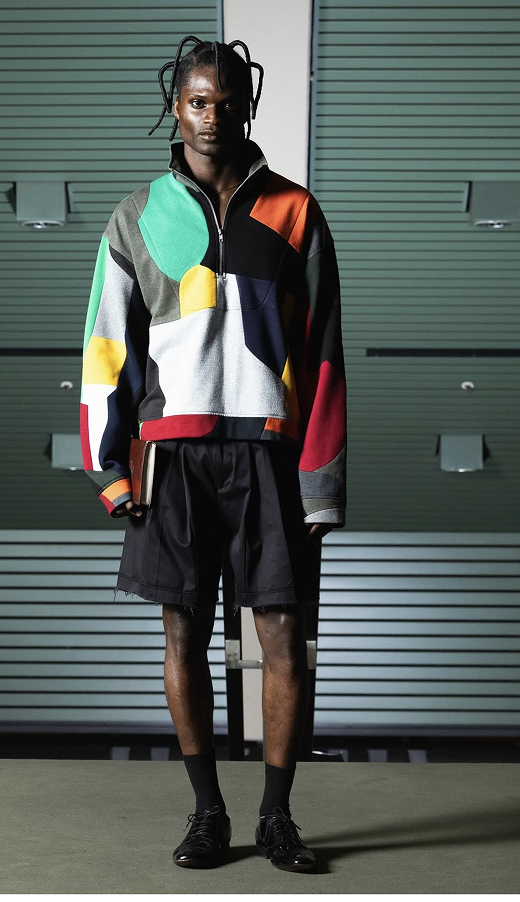
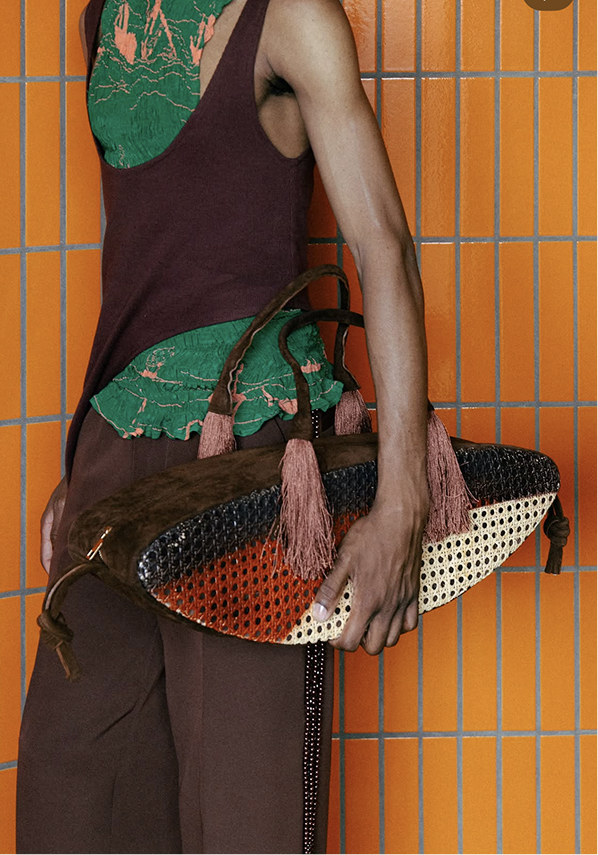
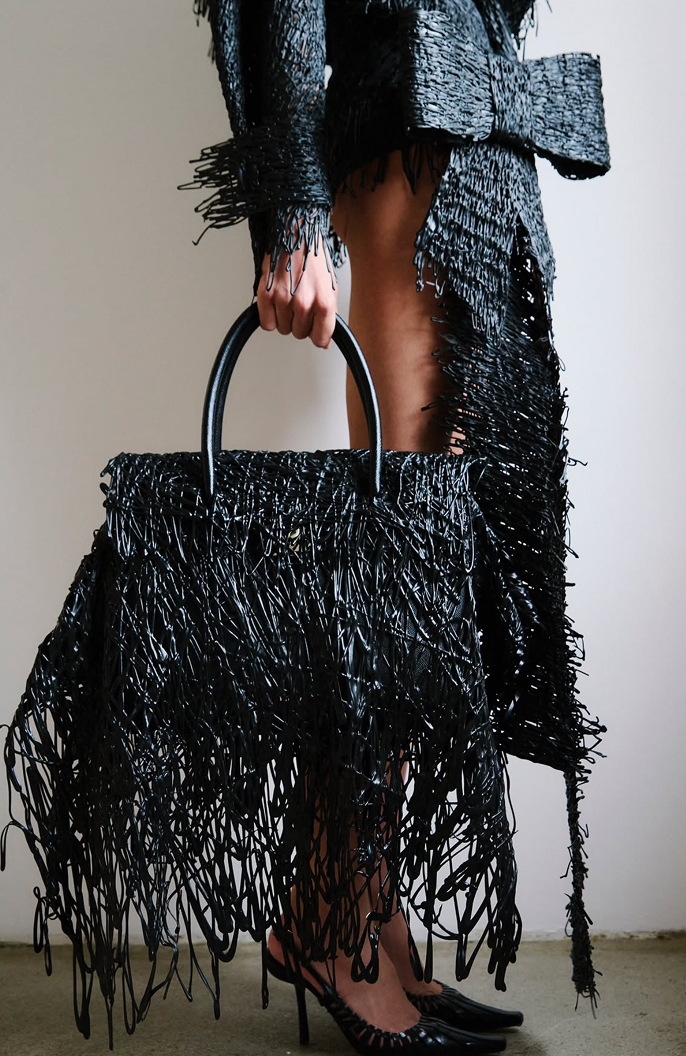
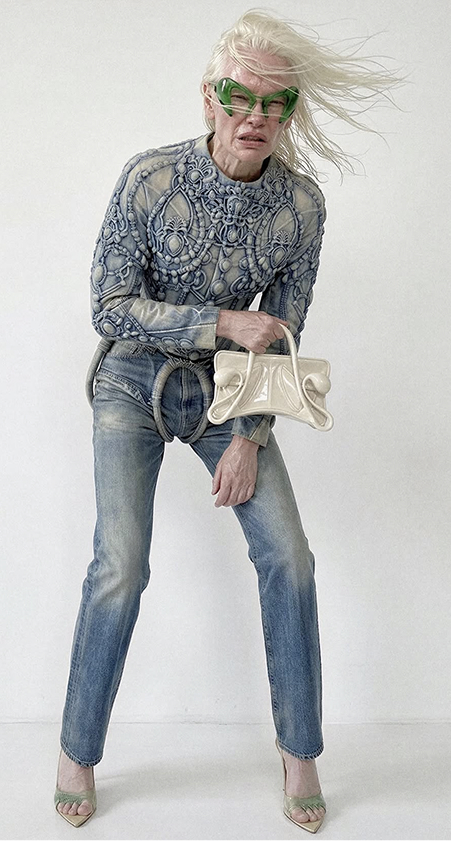
Berlin Fashion Week is emerging as a testing ground for systemic change, balancing environmental criteria with experimental design.
Institutional Sustainability
Commencing SS27, strict sustainability criteria are legally binding for entry into Berlin Fashion Week's official calendar. Uganda's Buzigahill presented "Return to Sender," re-engineering European second-hand bale imports into luxury upcycled design returned to European retail.
Material Memory & Deadstock
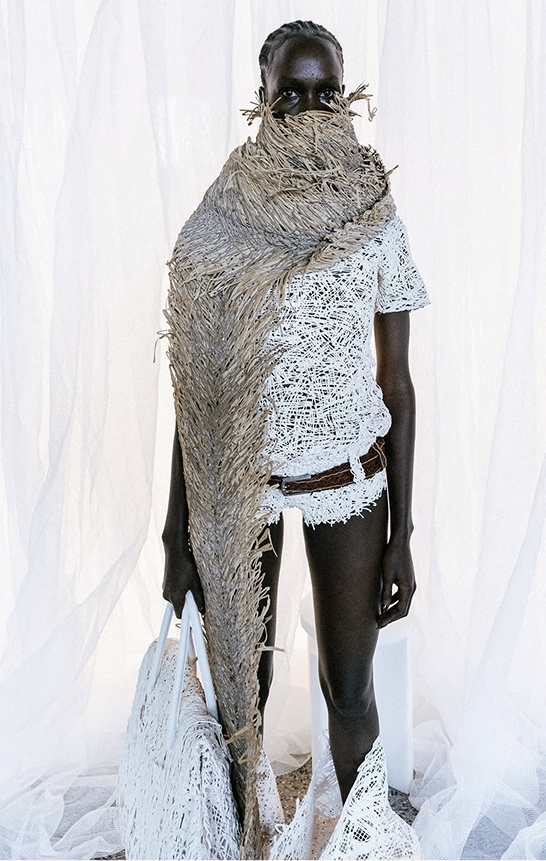
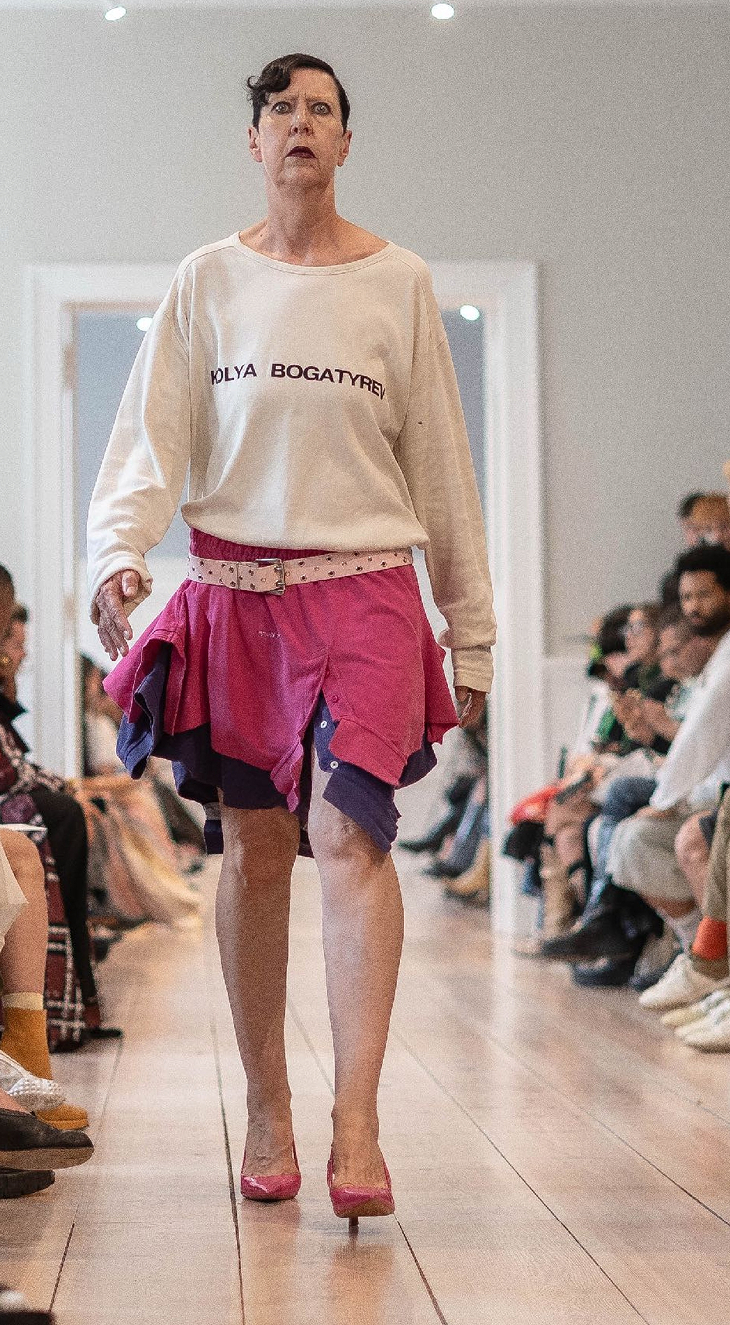
NVRMND unveiled "Ephemeral" crafted exclusively from luxury deadstock; Kolja Bogatyrev designed gowns from antique topographical maps; Nigeria’s Orange Culture reinterpreted Lagos fishing communities through heavy textured knitwear.
Bodily Architecture
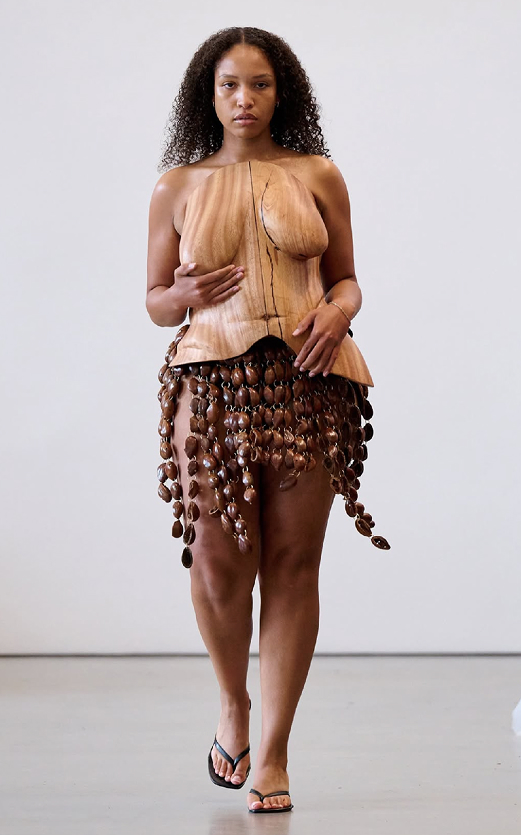
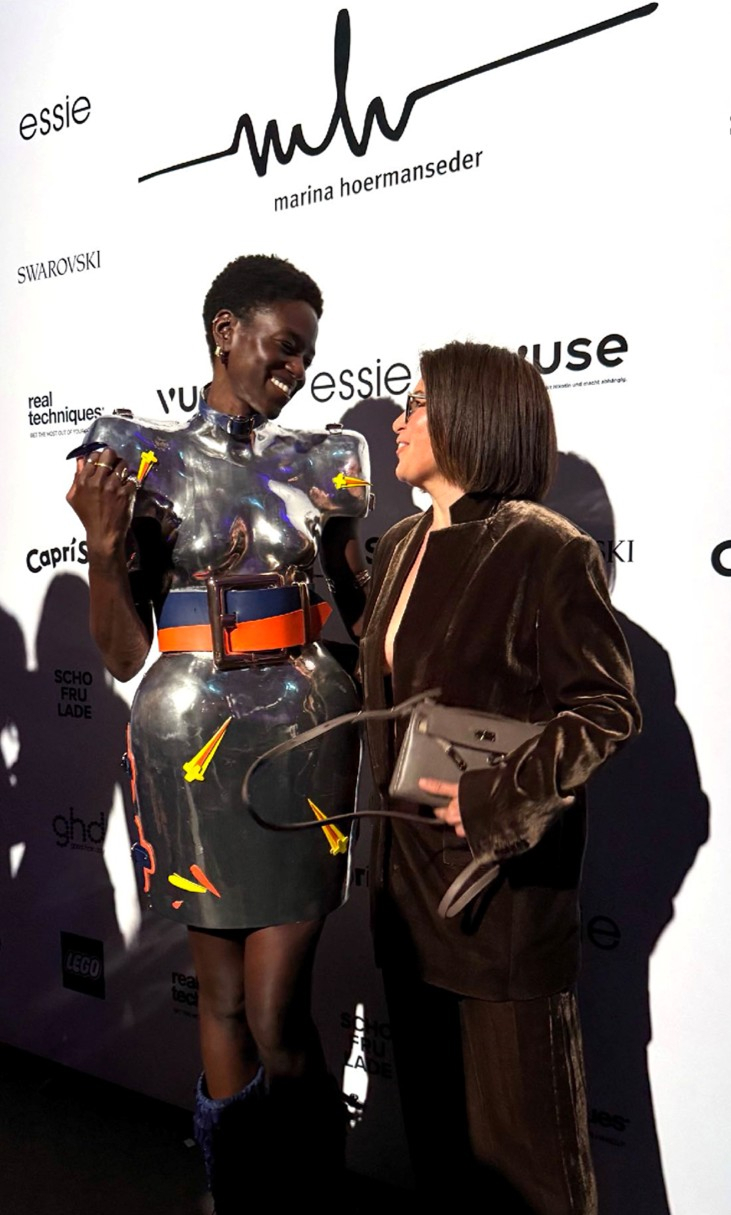
Kasia Kucharska explored molded latex and visual illusions; Marina Hoermanseder sculpted dresses from LEGO bricks and Swarovski crystals; Silva Häugens’ "Aerospecial" leveraged automotive industrial surplus.
AI & On-Demand Production
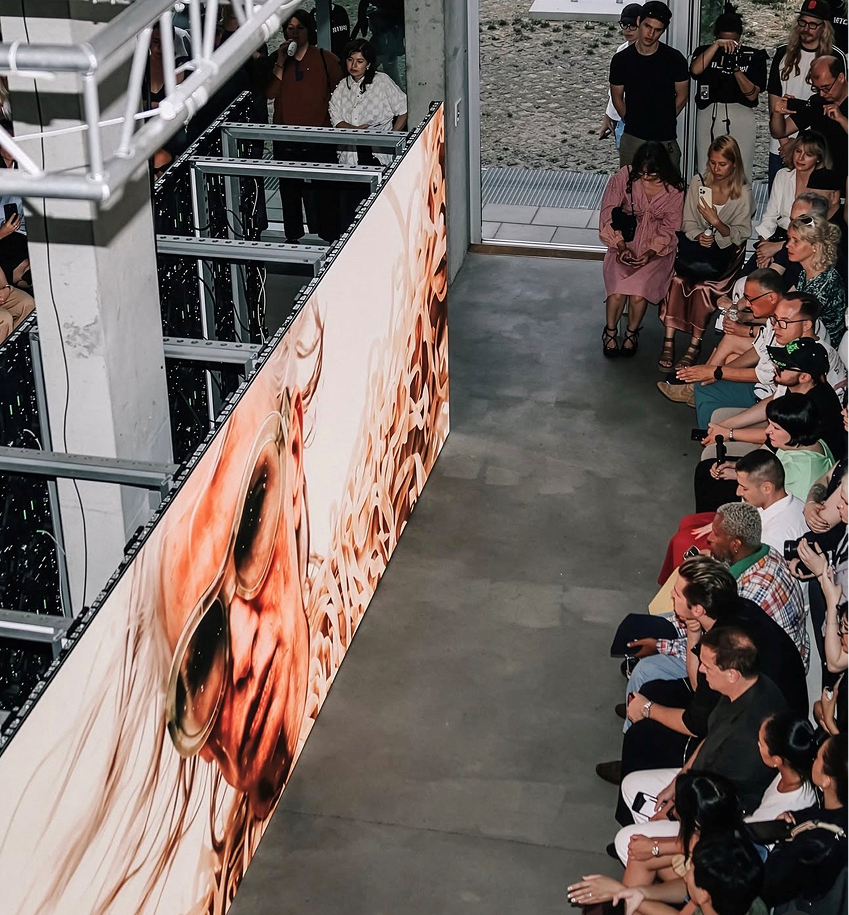
Turkish-German designer Taskin Göc generated 25 AI-engineered silhouettes on a 12-meter screen, producing physical garments solely upon prepaid orders. Esther Perbandt integrated generative AI in a real-time motion-capture dance installation.
Berlin refuses to choose between nostalgia and futurism—it deconstructs both. We dismantle body perfectionism, transform post-industrial scrap into couture armor, and validate commercially sound on-demand manufacturing models.
Natalia Müller
Europe: United Kingdom (London)


London continues to act as a cultural testing ground, with new fashion ideas emerging through museums, subcultures, resale and independent creative communities.
Frida Kahlo at Tate Modern ("Making an Icon")
Featuring 130 works, the exhibition examines Kahlo's calculated identity construction through geometric Mexican silhouettes and folk textiles against disposable fashion trends.
Youth Culture & V&A East Storehouse
The Victoria and Albert Museum inaugurated its open-access East London facility, highlighting Black British music legacy and DIY celebrity culture. Edward Enninful curates a monumental 1990s retrospective.
London Fashion Week & Circular Resale
The British Fashion Council re-energizes provocative icons: Alexander McQueen returns to London; Christopher Kane debuts for Mulberry. The British Fashion Council teamed with eBay to launch the official "Endless Runway" circular fashion showcase.
Polish Visionaries & London Design Festival
In collaboration with the Polish Creative Industries Institute, the "Polish Visionaries Without Borders" showroom proved that leading apparel macro-movements originate across scenography, contemporary sculpture, and sound art.
True trends are never conceived within the confines of the fashion apparatus itself—they emerge from fine art exhibitions, museum archives, industrial design, and underground music. The global market is exhausted by the sterile repetition of 'quiet luxury.' Victory now belongs to those who dare to express authentic conceptual vision, build unapologetic brand identity, and seek inspiration across cultural borders.
Iryna Kushniarevich